

A bettor watches a small-league line open, then sees it drift in a direction that makes little sense. No major injury report hit the wire. No weather shift.
No obvious matchup change. The move arrives anyway, powered by assumptions, habit, and a crowd that treats unfamiliar teams like placeholders.
That moment captures the appeal of leagues that sit outside the mainstream spotlight. The Legends Football League draws less public attention than top-tier football properties, which changes how information travels and how prices form.
For experienced bettors, that creates a different kind of challenge. The goal becomes reading the ecosystem, then deciding when the market has priced perception instead of reality.
Reputable Betting Apps Matter More in Smaller Leagues

Small leagues demand cleaner execution. That starts with using reputable sports betting apps that publish clear rules, grade consistently, and offer transparent settlement policies. In niche markets, the details carry more weight.
A small difference in how a book handles late lineup changes, rescheduled games, or stat corrections can decide outcomes, especially when liquidity stays thin and disputes take longer to resolve.
A reputable app like Betway also gives better tools. Stable live betting, reliable cashout mechanics, and clear bet history improve decision quality because they reduce friction.
That matters when reacting to late information or when a bettor wants to compare price movement across books.
It also matters for basic account hygiene, like responsible limits and secure verification, because niche markets tend to attract more erratic promotional noise.
In that context, the Bet Way app download step becomes part of process, not a marketing impulse. The point is choosing a platform that behaves predictably, so the analysis stays focused on the game and the number, not the fine print.
Why Small-League Pricing Drifts From Reality
Mainstream leagues get hammered into shape by volume. Information spreads fast, and the crowd pressure forces bad numbers to correct quickly. Smaller leagues behave differently.
Fewer bettors push into those markets, and fewer professional syndicates bother to allocate time unless the edge feels repeatable. That leaves room for prices to reflect narratives that would struggle to survive in a sharper pool.
The most common driver is incomplete context. A casual bettor sees a record, a highlight clip, or a familiar brand, then anchors on it.
In LFL matchups, that anchoring can show up as overconfidence in a perceived “better” team, even when the actual matchup dynamics point the other way.
Coaching style, travel realities, and roster continuity can matter more than the story the public carries in.
Another driver is timing. Smaller leagues often see more uneven news cycles. A lineup note might appear on a team’s social channel, a local interview, or a behind-the-scenes clip, then take time to reach the broader market.
That delay can create a brief window where a number lags behind the new reality. The edge comes from noticing first, then acting with discipline.
The Underdog Effect in LFL Matchups
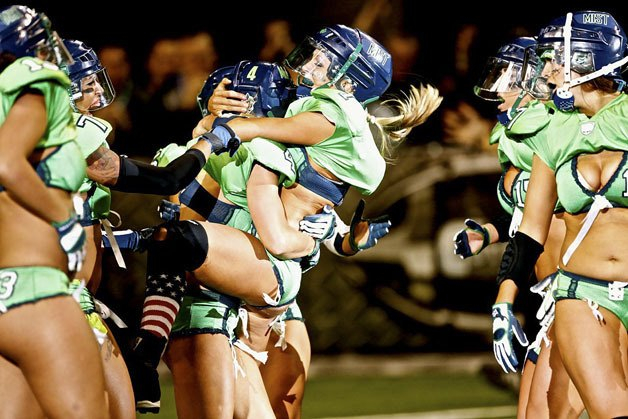
Underdogs attract sharp attention in niche leagues for a simple reason. Pricing errors tend to cluster around uncertainty.
LFL games can carry volatility because individual matchups and small roster changes can swing performance.
That volatility encourages the public to pick “safety,” which often means favorites, even when the favorite price assumes a level of consistency the league does not always deliver.
The underdog effect shows up when a team’s perceived weakness comes from a surface read. Maybe a recent loss looked ugly on the scoreboard.
Maybe a star player drew attention, so the opposing roster felt anonymous. In a tighter, less covered environment, those surface reads can inflate the favorite beyond what the matchup supports.
A practical way to think about it is mispriced roles. If an underdog has a defensive look that forces the favorite into uncomfortable decisions, the underdog’s chances improve even before talent gets discussed.
If an underdog’s offense matches up well against a specific coverage style, the dog can sustain drives and shorten the game. Those are matchup levers, and they often sit outside the public’s default lens.
That does not mean underdogs automatically offer value. It means the market sometimes uses the wrong inputs, then pays too much for certainty.
A sharp approach treats underdogs as a diagnostic tool. When the price feels inflated, the next step is proving it with real football reasons.
Building an Information Routine That Beats the Noise
In smaller leagues, the information edge rarely comes from a single secret source. It comes from building a repeatable routine and being consistent when others are casual.
The goal is to answer one question before touching a line: “What does this number assume, and is that assumption realistic?”
A strong routine focuses on inputs that change outcomes without relying on hype. Two categories tend to matter most: roster reliability and tactical fit.
That is where a bettor can work with simple language and still produce advanced insight.
Useful signals to track include:
- Roster continuity and role clarity: who plays, who rotates, who stays available week to week
- Coaching tendencies under pressure: fourth-down choices, tempo shifts, and red-zone preferences
Once those signals are consistent, the pricing process becomes easier. Compare the opener to a personal range. Identify what would justify the market’s stance. Then decide whether the available information supports it.
Execution also matters. Niche leagues can punish hesitation because a small bet can move a line. The practical benefit of having a reliable platform is speed and clarity, which turns analysis into action without extra steps.
That is where “Bet Way app download” fits naturally again, as a reminder that workflow starts with dependable tools and ends with disciplined selection.
The Sports Betting Market
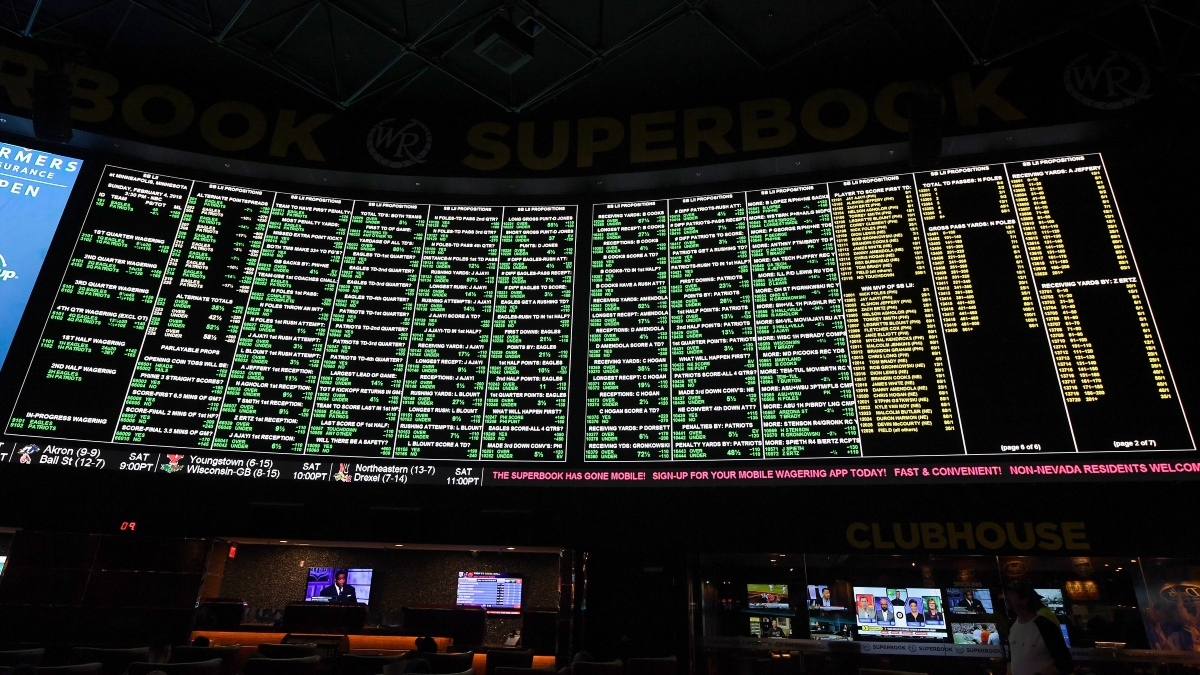
The sports betting market behaves like an ecosystem of attention. Mainstream events attract public volume, media coverage, and fast correction.
Smaller leagues attract pockets of interest, then long stretches where perception sets the tone. That structure shapes how odds can drift.
Liquidity is the invisible hand here. With fewer bets in the pool, a line can move on limited action. That creates a paradox. It can help a sharp bettor who acts early with a strong read.
It can also create fake signals where a move reflects one opinion rather than a broad consensus. That is why tracking multiple books and watching the sequence of moves matters more than watching a single number.
Market rules also matter. Some books limit niche action quickly, some offer fewer derivatives, and some shade lines because they expect one-sided public behavior.
The sharper approach treats this as market analysis, not frustration.
Identify which books lead, which books follow, and which books post softer openers. Over time, that map becomes as valuable as any team note.