
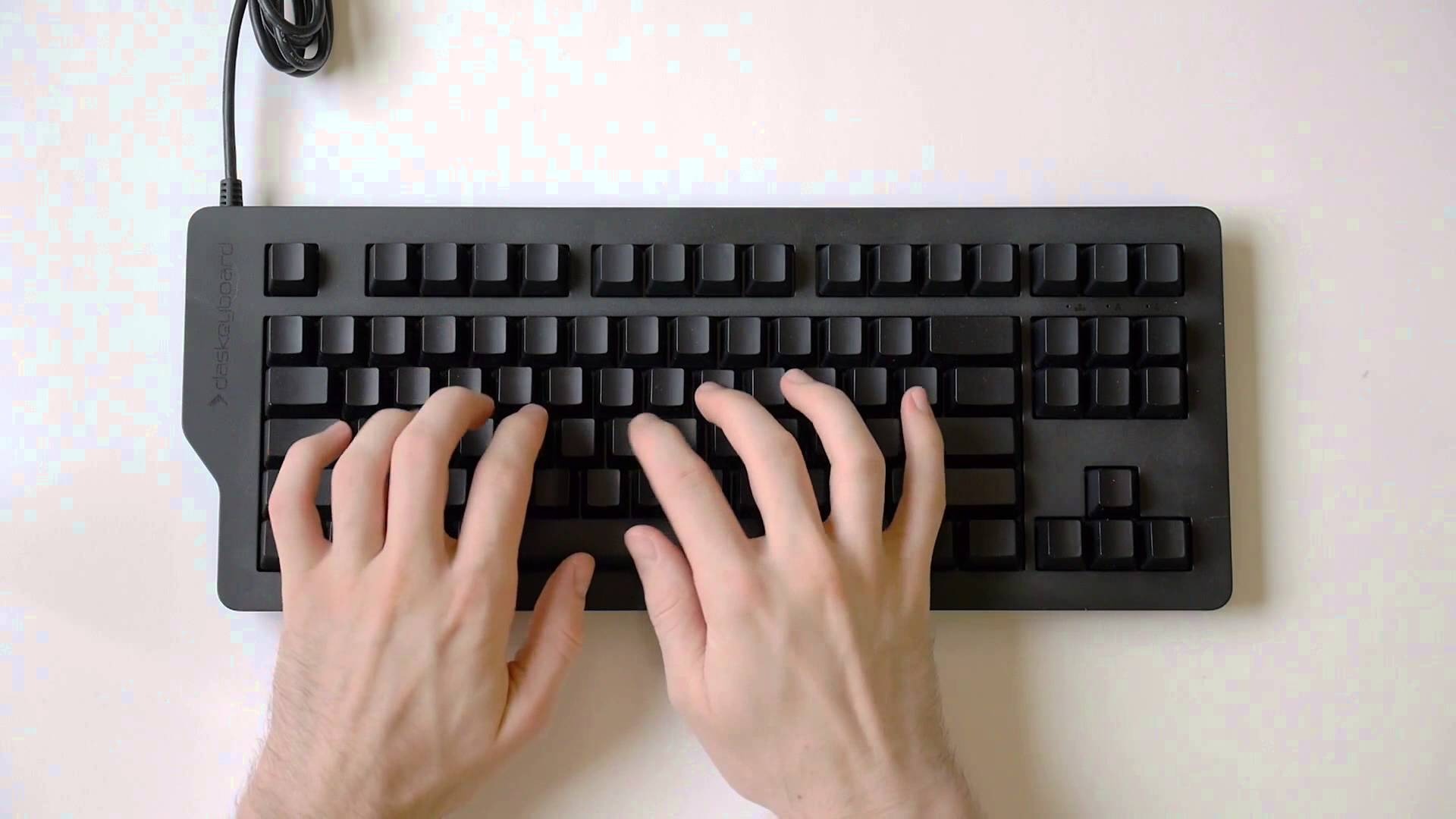
Many people spend hours typing each day, yet very few stop to think about how their keyboard setup affects comfort and productivity.
A study from the University of North Carolina’s Center for Ergonomics found that poorly adjusted keyboards significantly increase wrist strain and fatigue during prolonged typing sessions.
If you have ever finished a long typing session with sore wrists, stiff fingers, or aching shoulders, your keyboard setup may be working against you. Small adjustments often make a surprising difference. Improving comfort is not only about buying expensive gear.
It involves positioning, typing habits, and a few thoughtful tools that support natural hand movement.
Why keyboard ergonomics matters for long typing sessions
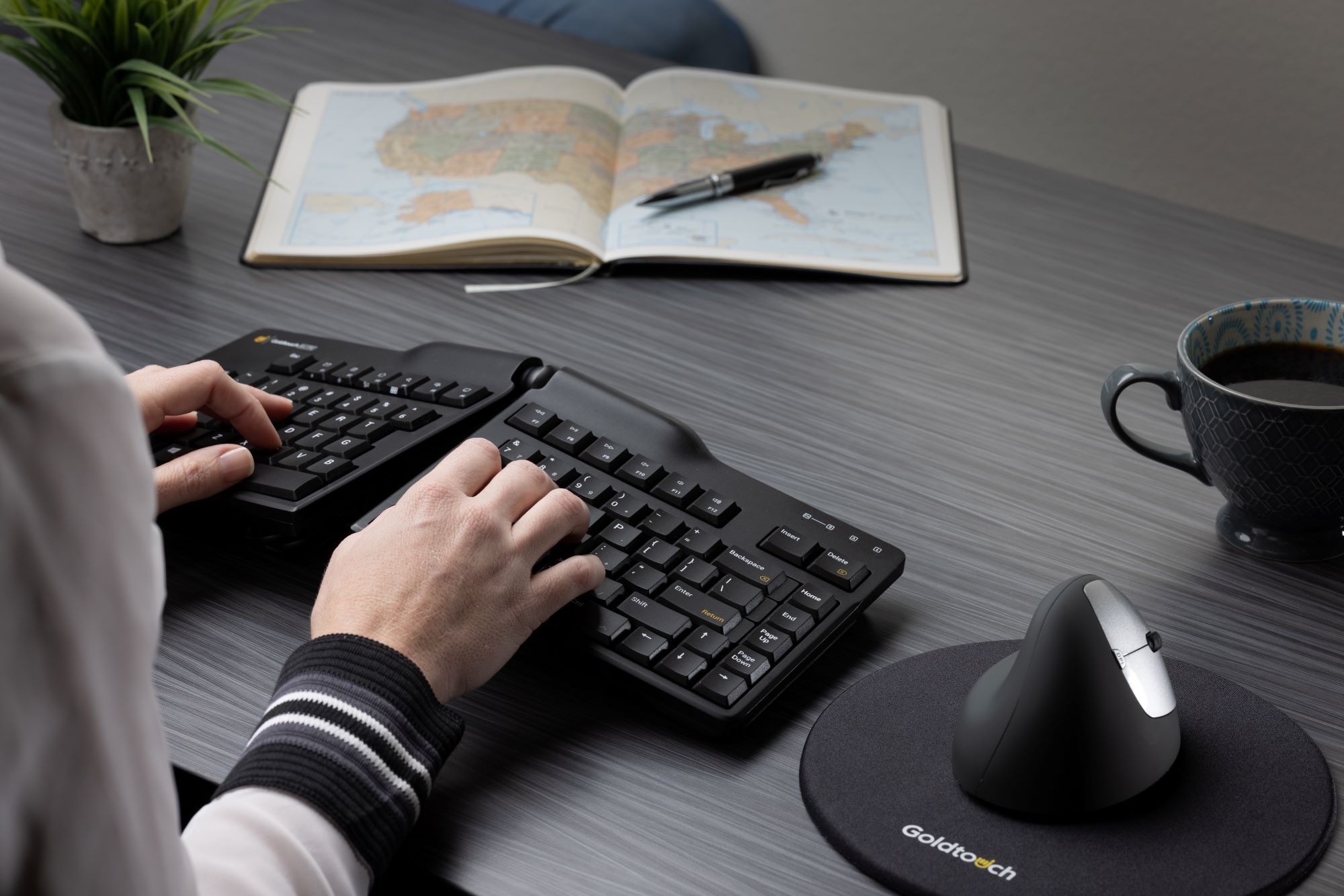
Extended typing with poor posture may lead to problems such as repetitive strain injury or carpal tunnel syndrome. Even before those conditions develop, discomfort can slow down productivity and increase fatigue.
Several ergonomic principles help create a more comfortable keyboard setup:
- Hands should float lightly over the keyboard rather than pressing down on the desk.
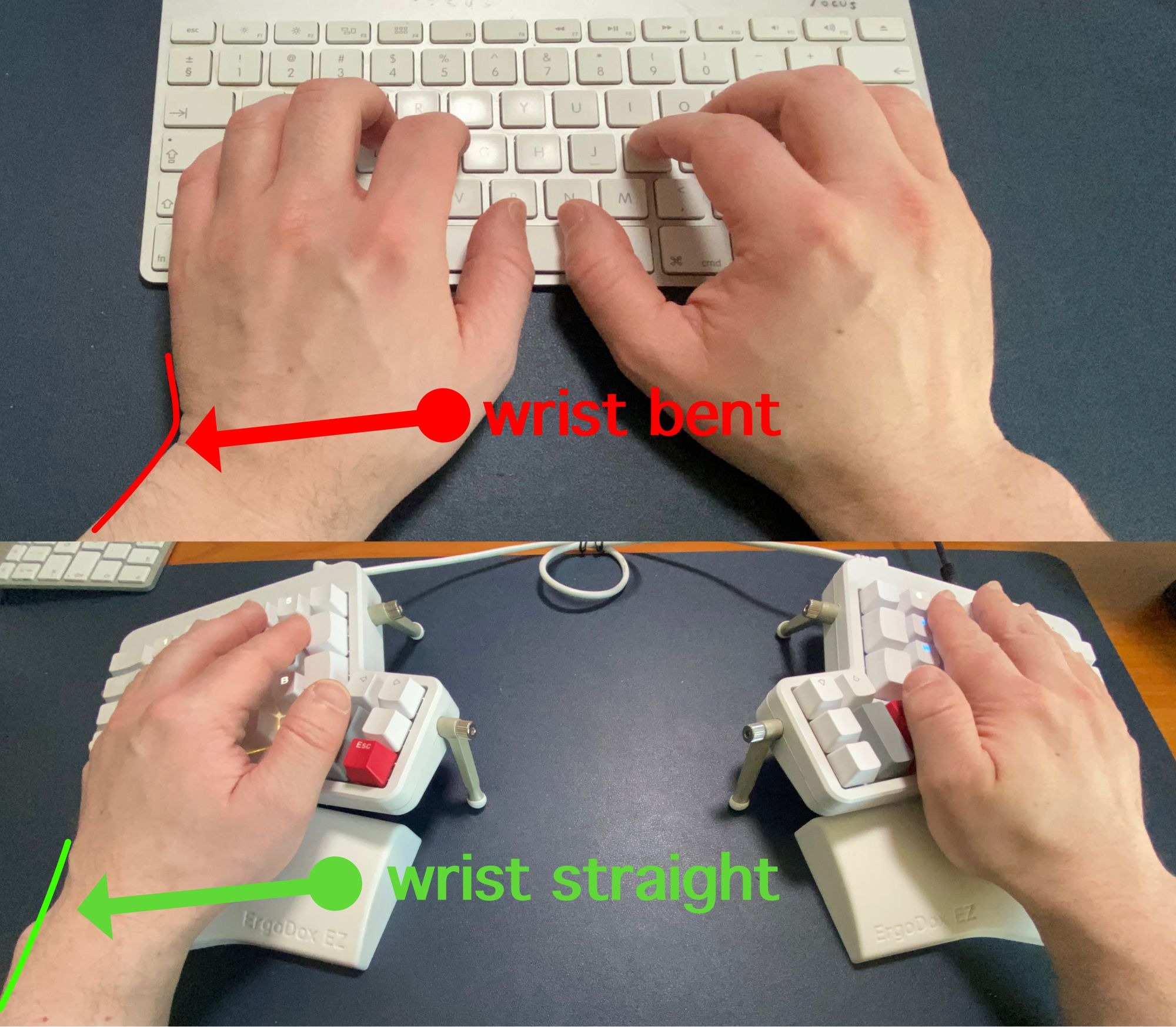
- Wrists should remain straight rather than tilted upward.
- Elbows should stay close to the body at roughly a 90 degree angle.
- The keyboard should sit slightly below elbow height for natural typing movement.
These simple adjustments reduce muscle tension and help keep the body relaxed during extended work sessions.
Choosing tools that support a smoother typing workflow
Comfort is not only physical. The software tools used for typing also influence how relaxed your hands feel during long sessions. Predictive input, smart keyboards, and language input tools can reduce the number of keystrokes needed.
Writers, developers, and multilingual users often benefit from specialized input systems that simplify typing patterns. One example involves language input tools designed to predict phrases and characters more efficiently.
In some cases, installing a smarter input method can significantly reduce repetitive keystrokes. For users who work with Chinese input systems, many rely on tools such as 搜狗下载 because of its predictive typing features and adaptable keyboard input system.
Reducing unnecessary typing effort helps lower hand fatigue. When fewer keystrokes are required, muscles remain more relaxed across long writing sessions.
Adjusting keyboard angle and desk height
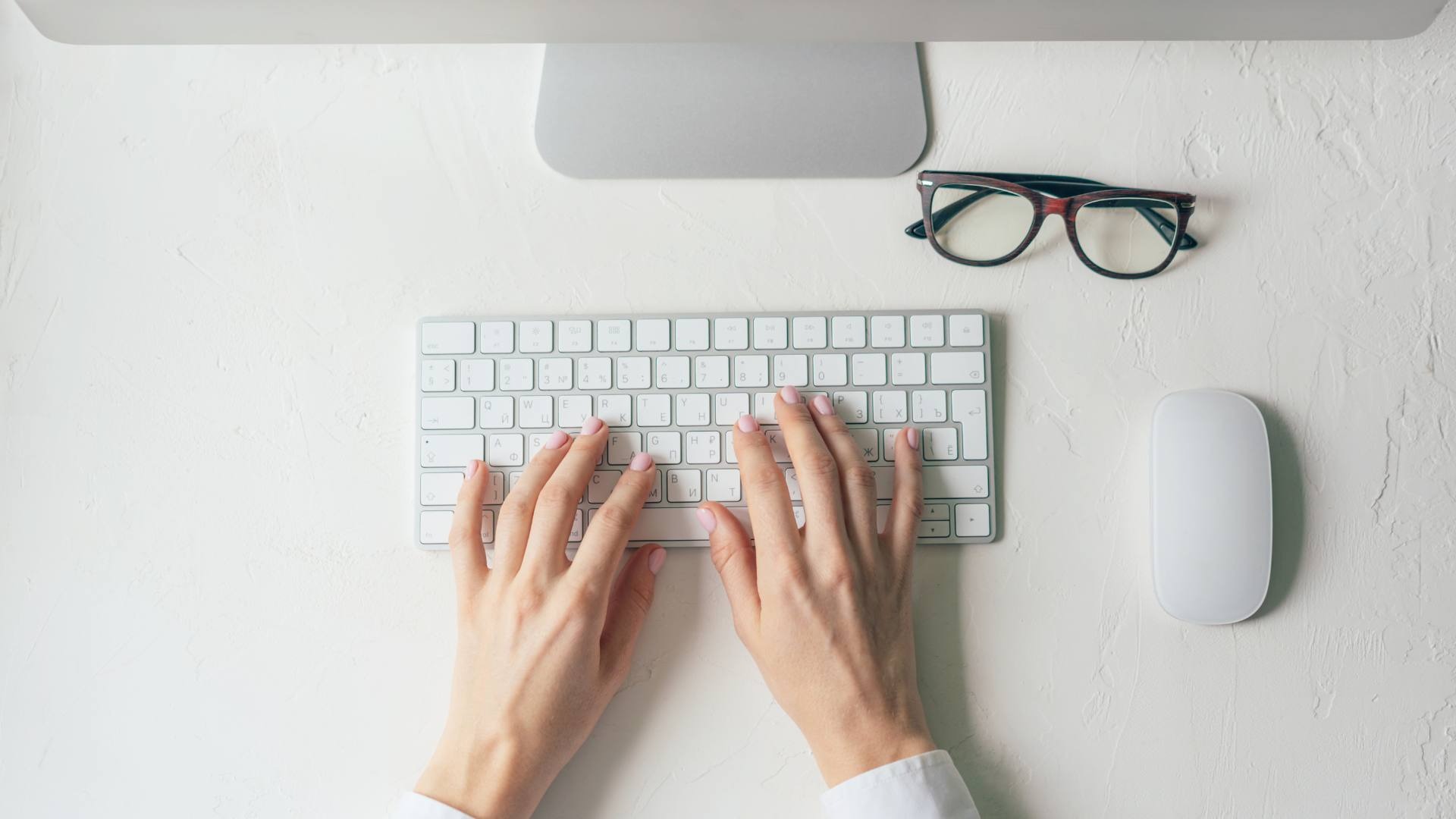
Many people overlook one of the simplest comfort improvements. The angle of the keyboard often determines how much strain the wrist experiences.
Traditional keyboards include rear legs that raise the back of the keyboard. While this position feels familiar, it actually tilts the wrist upward and increases tension.
A flatter keyboard position usually works better for extended typing.
The following adjustments often improve comfort:
- Lower the keyboard so wrists stay level rather than bent upward.
• Keep the keyboard flat or slightly tilted downward if possible.
• Ensure desk height allows elbows to stay relaxed at roughly 90 degrees.
Did you know
Research from the Cornell University Ergonomics Web indicates that keeping the keyboard flat or slightly negative tilted reduces wrist extension and muscle strain during typing.
These small mechanical changes often produce noticeable relief within days.
Upgrading to a more ergonomic keyboard design
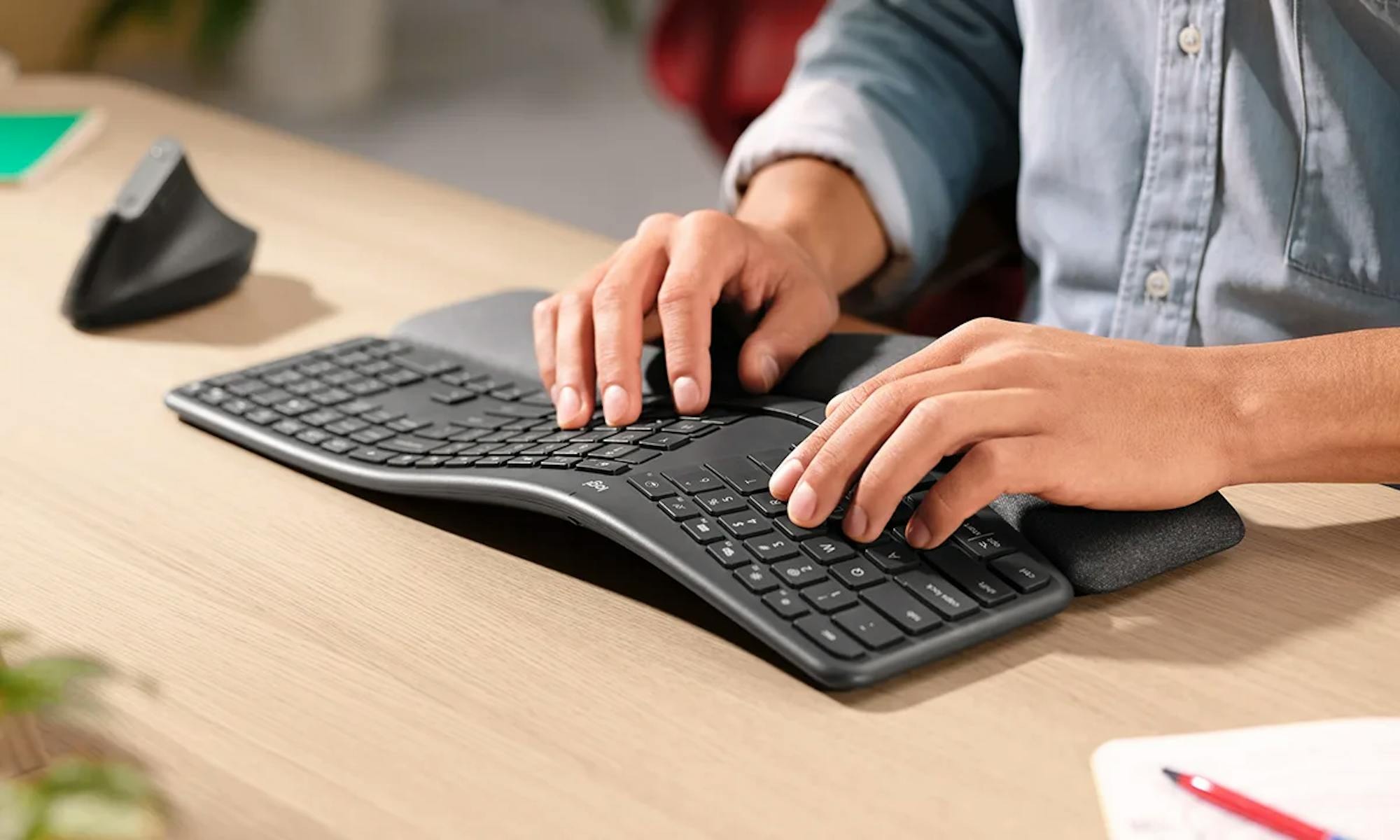
Sometimes the keyboard itself becomes the limiting factor. Standard flat keyboards force the hands inward, creating tension in the forearms.
Ergonomic keyboards attempt to solve this issue by adjusting layout, spacing, and angle.
The following table highlights common keyboard types and their benefits.
| Keyboard Type | Main Benefit | Best For |
|---|---|---|
| Split keyboard | Keeps wrists in natural alignment | Writers and programmers |
| Low profile keyboard | Reduces finger lift effort | Fast typists |
| Mechanical keyboard | Provides tactile feedback | Heavy typing workloads |
| Curved ergonomic keyboard | Aligns hands with natural arm position | Long daily typing sessions |
Each type offers different advantages depending on typing habits. Some users prefer low profile keyboards for smoother motion, while others appreciate the feedback of mechanical switches.
Testing a few options can reveal which design supports the most comfortable typing rhythm.
Using wrist rests correctly
Wrist rests are common accessories, but many people misunderstand their purpose. A wrist rest should support the palm, not the wrist itself.
When wrists press into a pad while typing, blood flow can become restricted. This often increases fatigue rather than reducing it.
A better approach involves using wrist rests during pauses rather than active typing.
To use a wrist rest effectively, keep these principles in mind:
- Hands should hover slightly above the keyboard while typing.
- The palm, not the wrist joint, should touch the rest during breaks.
- The rest should match the height of the keyboard.
Proper wrist positioning reduces compression on the median nerve, which is essential for preventing repetitive strain injuries.
Using a wrist rest correctly helps the hands relax between typing bursts without interfering with natural movement.
Improving typing technique to reduce strain
Even with a perfect keyboard setup, poor typing technique can create unnecessary strain. Many people press keys harder than needed or tense their fingers while typing quickly.
Relaxation plays an important role in comfortable typing.
A few habits can noticeably improve typing comfort:
- Use light keystrokes instead of striking keys forcefully.
- Keep fingers curved naturally instead of stretching them flat.
- Avoid anchoring wrists on the desk while typing.
- Take short pauses every 20 to 30 minutes.
Typing should feel fluid and rhythmic rather than forceful. When the hands remain relaxed, muscles recover faster and fatigue builds more slowly.
Over time, small improvements in technique can greatly extend how long someone can type comfortably.
Creating a typing-friendly workstation environment
Keyboard comfort depends on the entire workstation environment. Monitor height, chair support, and lighting all influence posture and hand movement.
A balanced workstation encourages the body to maintain natural alignment.
Several environmental adjustments often improve long typing sessions:
- Position the monitor so the top of the screen sits near eye level.
- Adjust chair height so feet rest flat on the floor.
- Keep frequently used items within easy reach.
- Maintain soft lighting that reduces eye strain.
When posture improves, the hands and wrists naturally move into better alignment with the keyboard.
A comfortable workstation supports sustained focus without physical distractions.
Small changes that transform long typing sessions
Long typing sessions are part of modern work. Writers, developers, students, and office professionals all depend on comfortable keyboard use to stay productive.
Fortunately, meaningful improvements rarely require major investments. Adjusting keyboard angle, improving posture, choosing better input tools, and developing relaxed typing habits often produce immediate benefits.
A comfortable keyboard setup supports both health and efficiency. When hands remain relaxed and wrists stay aligned, typing feels smoother and less exhausting. Small adjustments made today can turn hours of typing into a far more comfortable experience tomorrow.