If you’ve kept a garden for more than a season, you already know things that no seed packet or plant tag will tell you. You know that the tomato variety everyone raves about online sulks in your particular soil. You know exactly how long it takes slug damage to show up after a wet week, and which mulch actually keeps it down. That knowledge, earned through repeated seasons of watching, adjusting, and sometimes losing a whole row of seedlings, is exactly what other gardeners are searching for. It just hasn’t been written down yet.
Turning that experience into an online guide isn’t about becoming a professional writer overnight. It’s about being organized enough to capture what you already know and generous enough to explain it clearly. Here’s how to actually do that, step by step.
Start With the Questions You Once Asked Yourself
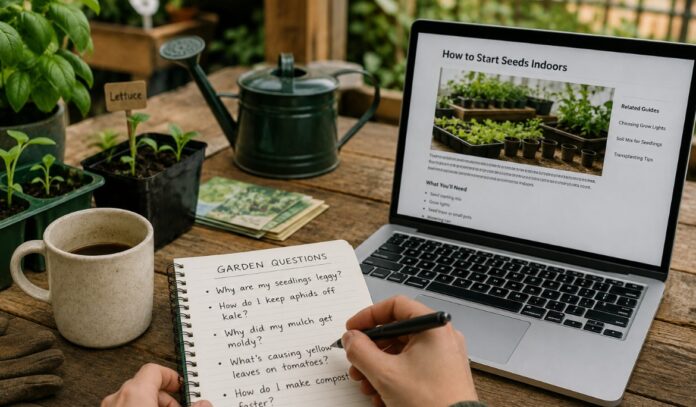
The best guide topics aren’t the ones that sound impressive — they’re the ones you were genuinely stuck on before you figured them out. Why did your seedlings keep getting leggy under grow lights? Why did your compost turn slimy instead of crumbly? Why did nothing you planted survive that first frost?
Keep a running list of these moments. Every time you troubleshoot something in your own garden — a yellowing leaf, a pest you can’t identify, a bed that never quite drains right — write down the question and, once you’ve solved it, the answer. That list becomes your content calendar before you’ve written a single post.
Pick a Niche Rooted in What You Actually Grow
New garden bloggers often try to cover everything from orchids to orchards in the same month, and it shows. Readers trust specificity. A guide written by someone who clearly grows the plants they’re describing — with real seasonal timing, real regional quirks, real failures mentioned alongside the wins — reads completely differently from one stitched together from other websites.
Narrow in on what you know best: raised-bed vegetables, native pollinator gardens, houseplants in low light, small-space balcony growing, or whatever you’ve actually spent seasons doing. You can always expand later, but a focused start builds credibility faster than a broad one.
Turn Garden Notes Into a Content Plan
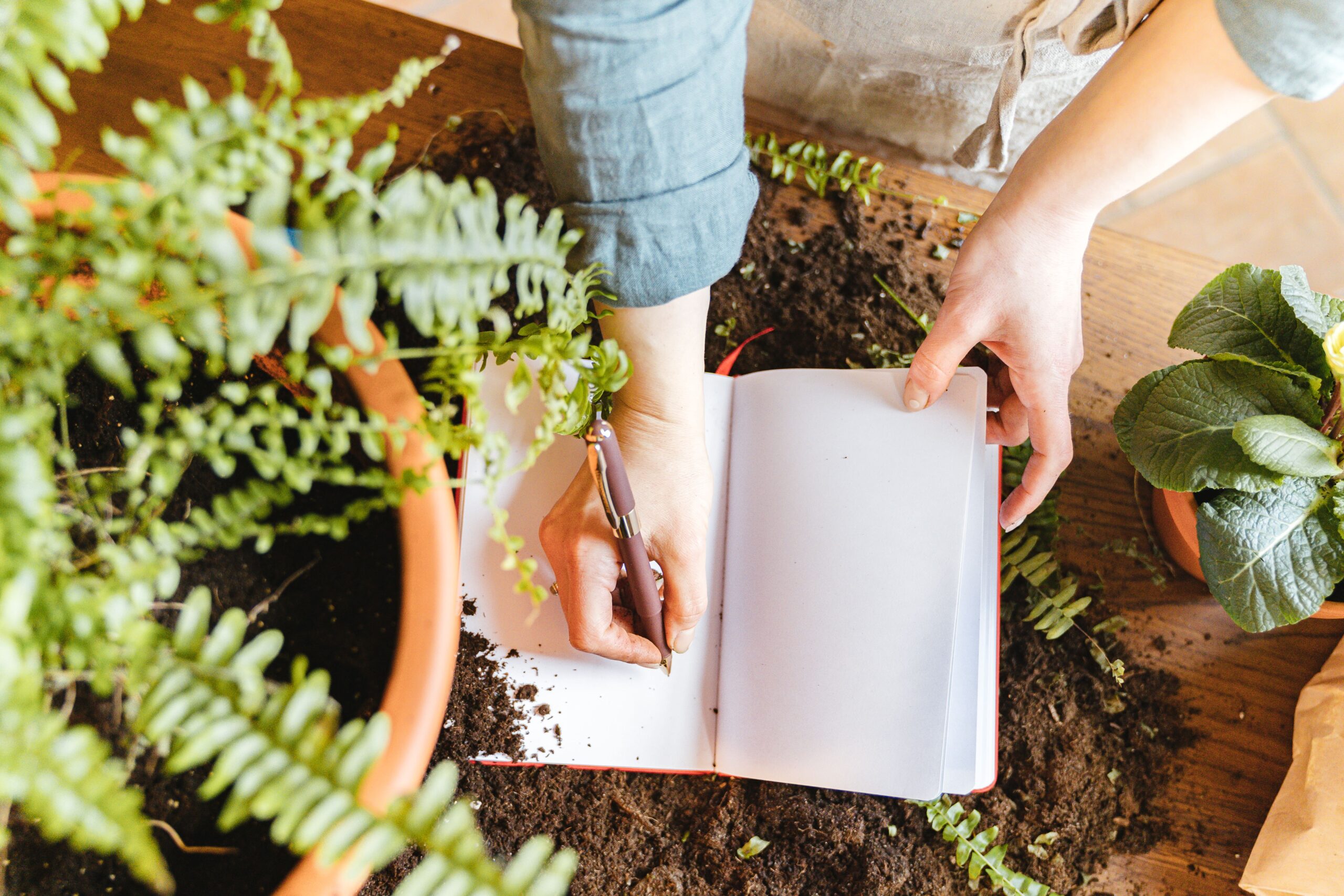
If you don’t already keep a garden journal, start one now — even a cheap notebook works. Log planting dates, weather surprises, what you fed your soil and when, what pests showed up and what got rid of them. This isn’t extra work on top of blogging; it’s the raw material for it.
Within a season or two, that journal turns into a stack of ready-made guide ideas: “When to Start Tomato Seeds Indoors in a Short-Summer Climate,” “What Actually Works Against Aphids on Roses,” “Why Your Squash Leaves Wilt at Noon (And When to Worry).” You’re not inventing content — you’re transcribing lessons you already paid for in wasted seedlings and lost time.
Structure Every Guide Like a Set of Instructions, Not an Essay
Gardeners land on a guide because they need an answer, not a story. Give it to them fast, then back it up. A format that works well:
- A direct answer in the first two sentences — state the key takeaway before explaining the reasoning.
- A materials or ingredients list — tools, amendments, seed varieties, whatever the task actually requires.
- Numbered steps in the order a person would actually do them.
- Timing notes — when in the season, how long each stage takes, what to expect and when.
- A troubleshooting section for the ways it can go wrong, because it usually does.
This structure also happens to match what search engines and AI answer tools look for when surfacing helpful content — Google’s own guidance on creating helpful, people-first content specifically rewards pages that demonstrate first-hand experience and answer the reader’s actual question clearly, rather than padding around it.

Back Up Advice With Real, Specific Detail
Vague advice is the fastest way to lose a reader’s trust. “Water regularly” tells them nothing. “Water deeply once or twice a week rather than a little every day — this encourages roots to grow down instead of staying shallow near the surface, which matters once summer heat arrives” tells them something they can actually use.
Mention your growing zone, your soil type, and the season you’re writing about, since gardening advice is almost never universal. A frost date in one region can be a full month off from another. Naming these specifics isn’t just good writing — it’s what separates a guide someone can trust from one that sounds plausible but was never actually tested against real dirt.
Photograph and Document as You Go
Take photos before you need them. Snap the seed tray on day one, the seedlings at two weeks, the first true leaves, the pest damage before you treat it, the harvest at the end. Nothing slows down a guide like realizing halfway through writing that you have no picture of the exact problem you’re describing.
Your phone is enough. Consistent lighting and a few angles per stage matter far more than expensive equipment. Original photos of your own plants also do double duty: they prove you actually grew the thing you’re writing about, which is exactly the kind of first-hand experience that makes a guide feel credible instead of generic.

From Notes to a Guide Readers Can Actually Follow
When you sit down to write, resist the urge to sound like a textbook. Explain things the way you’d explain them to a neighbor leaning over the fence — plainly, with the occasional aside about what went wrong for you personally. Skip jargon where a plain word works just as well; “leggy” needs a one-line explanation the first time you use it, not an assumption everyone already knows the term.
Once a draft is done, read it out loud. Awkward phrasing announces itself immediately when spoken. It’s also worth running the finished piece through a tool like zero AI before publishing, especially if you used any writing assistance along the way — it’s a quick way to confirm the guide still reads as genuinely yours, which matters both for reader trust and for how search engines now weigh authentic, experience-based writing.

Set Up the Platform and Basic SEO
WordPress remains the most common choice for garden bloggers because it’s flexible and easy to hand off to a developer later if the site grows. When you publish, do a few basic things every time: use a keyword-rich but natural title, add a short excerpt that summarizes the takeaway, organize posts into clear categories (vegetables, houseplants, pest control, tools), and link related guides to each other so readers — and search engines — can see how your content connects.
Don’t chase every trending keyword. A guide written from real experience about a narrower topic will usually outperform a thin, generic post trying to cover a broad one, because it actually answers the question in full.
Turning Guides Into Steady Traffic — and Maybe Income
Growing an audience takes patience; most garden blogs don’t see meaningful traffic until they have a solid backlog of guides covering a season or two of real content. Once that traffic builds, though, gardening is one of the more reliably monetizable niches, largely because interest spikes hard every spring and again in early autumn.
Affiliate partnerships with seed companies, tool brands, and garden supply retailers are the most common route in, alongside display advertising once traffic is high enough to qualify. If you want to see what that side of things looks like in practice, sites that track gardening affiliate programs and commission structures are a useful starting point before you commit to a monetization strategy.

Common Mistakes New Garden Bloggers Make
- Writing for gardeners at your own skill level only. Define terms the first time you use them — beginners make up a large share of anyone’s audience.
- Skipping the failures. A guide that only shows successes reads as less trustworthy than one that mentions what didn’t work and why.
- Ignoring regional differences. Always state your zone or climate so readers elsewhere can adjust your timing.
- Publishing once and moving on. Update guides as you learn more — a “last updated” note and a fresh detail from this season keeps older posts useful and current.
- Overloading posts with affiliate links before there’s an audience. Trust comes first; monetization works better once readers already believe you.
Frequently Asked Questions
Do I need formal horticulture credentials to write gardening guides?
No. Documented, real-world growing experience carries plenty of weight with readers and with search engines, provided you’re specific about what you’ve actually done and honest about the limits of your knowledge. If you’re covering something outside your direct experience, say so and point readers toward a more specialized source.
How often should I publish new guides?
Consistency matters more than volume. One well-researched, thorough guide every week or two, built from real notes and photos, will outperform a rushed daily post. Match your publishing pace to how fast you can actually document new material.
Can one garden really generate enough content?
Yes — a single growing season in one garden typically produces dozens of guide-worthy questions once you count every plant, every pest encounter, every soil adjustment, and every seasonal task. Most gardeners underestimate how much they’ve already learned until they start writing it down.
What’s the biggest difference between a helpful guide and a generic one?
Specificity. Exact timing, exact quantities, exact regional context, and an honest account of what happened when you tried it yourself. That’s the detail generic, aggregated content almost never has.
Your garden has already taught you more than most search results currently offer. Writing it down, one honest, specific guide at a time, is what turns that quiet expertise into something other gardeners can actually use.