

Sports betting has already changed significantly over the past decade. What was once largely associated with physical tickets and pre-match wagers has become a digital activity that can follow a sporting event from the opening whistle to the final seconds.
A bettor can now watch a match and place a wager without leaving the same screen.
And that’s unlikely to slow down. Grand View Research estimates that the global sports betting market will grow from $123.4 billion in 2026 to $236 billion by 2033.
The online sector accounts for over 78% of the market. And looking ahead over the next ten years, this online sector is set to do more than just make sports betting bigger.
The more interesting question is how the experience itself will change. Bettors are becoming accustomed to faster digital services, while sportsbooks have more data than ever before to understand what people want from the experience.
So, what do you think will actually happen to how you place a sport bet between now and 2036?
Mobile betting will become even more central

If you’ve ever watched a major sporting event while traveling, you probably understand why mobile access has become so important. There is no need to sit at home in front of a computer. A smartphone can turn almost any location into a potential betting environment.
That convenience has already transformed the industry.
Market Growth Reports recently noted that online and mobile wagering now accounts for almost 70% of the total industry. And this percentage may increase even more significantly, given the growing popularity of smartphones.
In other words, the next decade will be less about convincing people to move online and more about improving what happens once they get there.
At a time when smartphones have become like mini-computers in people’s pockets, you don’t want your platform misbehaving on these devices. And neither do you want bettors to have a tough time finding relevant markets.
That’s part of why responsive design is becoming a thing in this sector. It emphasizes creating an experience that adapts smoothly to different screen sizes without making the user feel as if they are navigating a completely different platform.
In this way, a bettor doesn’t have to pinch or zoom a website to place a sport bet.
The smartphone is also becoming a natural companion to live sports. Someone watching a football match may want to react immediately to a goal, while a tennis fan may become more interested in a match as momentum changes.
Such fans don’t have to wait until the match ends to act on what they are seeing. They can respond to changes as they happen, making mobile particularly suited to the fast-moving nature of live sport.
Live betting will make sport feel more interactive

There was a time when you’d only place a sport bet before a match. But things have changed, and fans can engage with the experience as the game unfolds.
And that entirely changes how fans relate to sports. Instead of making one decision before a game starts, people can respond to what they are actually watching.
A slow first half can change expectations. An injury can move the odds. A sudden change in momentum can create an entirely different betting situation within minutes.
And while this in-play format makes the experience more dynamic, it also places greater pressure on sportsbooks to process information quickly.
That’s exactly what you’re likely to see on future platforms: a better ability to keep up with what’s happening on the field without making the experience feel complicated for the bettor. If an important moment happens during a match, the odds need to reflect it quickly.
But speed alone isn’t enough. The information also needs to be presented in a way that makes sense to someone who is already watching the game and trying to make a decision.
Remember, no matter how entertaining an experience is, the last thing you want to compromise is the user experience.
According to Tenacity, a single negative experience can drive away up to 88% of users. Imagine losing all those bettors because your platform takes too long to update an important market.
In an industry that’s expected to become more competitive, such losses are unbearable. This is why bookmakers are working hard to ensure the entire in-play wagering experience is seamless.
Personalization will become harder to ignore
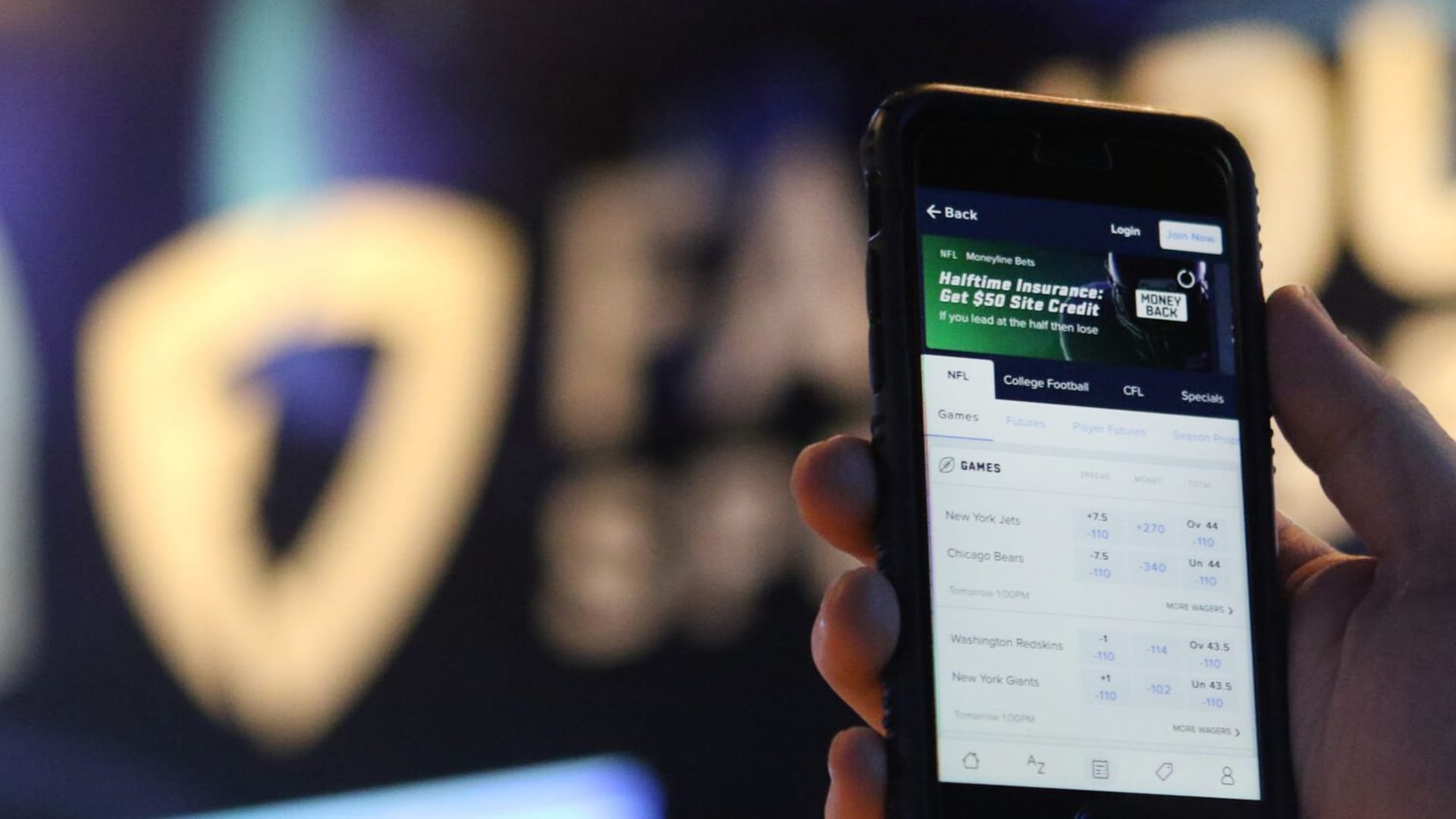
You probably remember those days when betting platforms felt more like generic marketplaces.
You’d log in to place your favorite sport bet and then have to scroll through countless markets before finding what you actually wanted. Well, thanks to tech advances, that experience is changing.
Sportsbooks now have access to enormous amounts of information about how people use their platforms, and this gives them an opportunity to make the experience feel more relevant to each bettor.
Imagine opening a sportsbook and immediately seeing the sports and competitions you actually follow.
Instead of searching through a long list of events, the platform could bring the relevant markets closer to you.
Someone who regularly follows tennis would not necessarily need to spend time navigating through football markets before finding a tennis match.
That kind of personalization is likely to become much more common over the next decade.
After all, modern entertainment consumers are already used to receiving such experiences elsewhere.
In fact, according to Contentful, over seven in ten will get frustrated if they don’t encounter a personalized experience when interacting with a brand. And sports betting is unlikely to be an exception.
To avoid falling behind, wagering companies are now integrating technologies that help them remember what users like.
But this trend will have to go beyond simply putting someone’s favorite sport at the top of the homepage.
A platform could, for example, make it easier for a regular tennis bettor to find the tournaments they follow or highlight markets around the competitions they frequently watch, all with the aim of making everything feel more intuitive.
In simple terms, if current growth continues, the sports betting industry of 2036 could be considerably larger than it is today. But beyond size, companies operating here will need to understand how technology and consumer expectations interact to maintain lasting influence.