

Cost-cutting in commercial painting often leads to poor quality. This results in higher labor costs and unhappy clients, which can tarnish a contractor’s reputation over time.
Poor-quality materials can cause frequent repairs and touch-ups, ultimately making project budgets balloon instead of shrink.
Underbidding projects can be disastrous for a contractor’s reputation. It might suggest desperation and often leads to rushed work that sacrifices quality.
Effective communication and clear project expectations are crucial. Without these, confusion, dissatisfaction, and delays can easily arise.
Ignoring client feedback diminishes satisfaction and can hinder future business. Remember, collaborating with clients is essential for a successful project.
Realistic scheduling matters. Overpromising on delivery dates may lead to missed deadlines and client disappointment, eroding trust.
Surface preparation is key in commercial painting. Neglecting this vital step can result in poor adhesion and project failure, making thorough pre-painting inspections necessary.
Why Cost-Cutting Often Backfires in Commercial Painting
When it comes to commercial painting Los Angeles, many contractors make the rookie mistake of putting cost-cutting ahead of quality. I understand the temptation. The desire to maximize profits can be strong. But here’s the thing: low-quality materials compromise not just aesthetics, but the entire project.
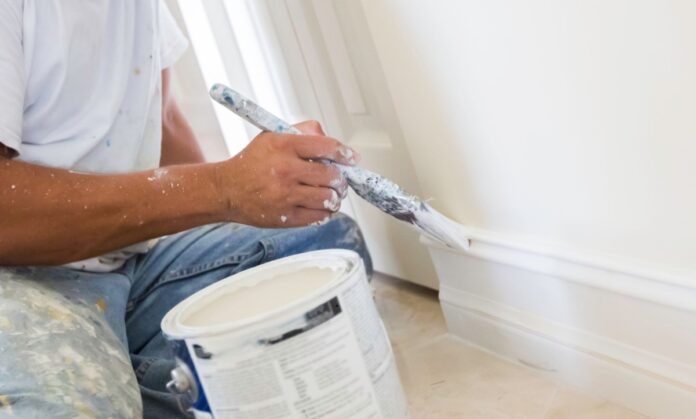
The Hidden Costs of Using Low-Quality Materials
Some contractors, in their quest for savings, choose substandard paints and supplies. This isn’t just a poor decision; it can create major headaches later. Why? Because low-quality materials often demand more frequent touch-ups, which only leads to escalating labor costs and time wasted on repairs. In the end, this cheap choice might blow up project budgets instead of shrinking them.
Imagine a beautiful paint job today. If the materials can’t hold up, it could start to fade or peel tomorrow. This drives clients to seek better options next time, costing you future opportunities and harming your reputation.
- Increased labor costs due to repairs
- Frequent touch-ups lead to inefficiencies
- Client dissatisfaction due to poor performance
Every dime saved initially can end up costing you in the long run. Is that a risk worth taking? I wouldn’t wager on it.
How Underbidding Projects Can Damage Reputation
Underbidding is another classic pitfall. You think you’re being competitive, but in reality, you’re setting a trap for yourself. Clients often interpret low bids as a reflection of your quality. Low bids just scream desperation.
When projects become too constrained in terms of budget and resources, your ability to deliver drops sharply. It’s a vicious cycle that can undermine your reputation over time. Clients communicate, and mistakes spread. Everyone remembers the contractor who overpromised and underdelivered.
“It’s not just about winning the bid; it’s about maintaining a reputation that lasts.”
- Rushed jobs lead to mistakes
- Quality is sacrificed, affecting future projects
- Potential clients may view you as unreliable
Communication Pitfalls That Lead to Project Catastrophes
Here’s the kicker – communication isn’t merely important; it’s the lifeline of any successful project. Cutting corners here is akin to painting over rust. You have to approach it with strategy. Otherwise, you might face a total collapse of trust and understanding.
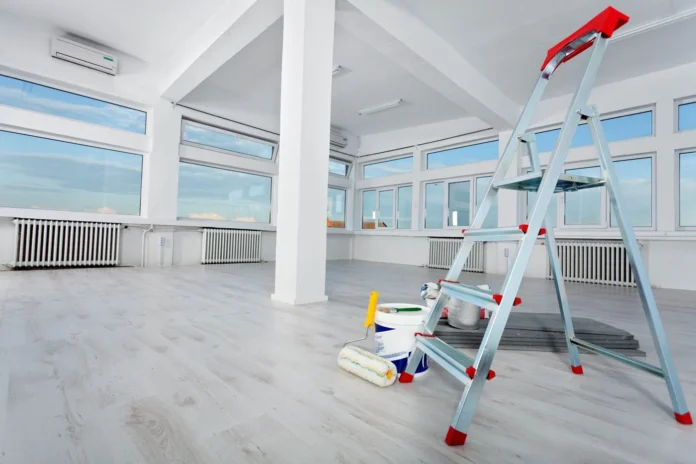
The Dangers of Not Setting Clear Project Expectations
From day one, having clear expectations that both parties agree on is crucial. Skipping this step can lead clients to second-guess decisions and speculate wildly. Confusion reigns, and you know as well as I do; confusion breeds chaos.
If clients aren’t clear on what they should expect, they might feel blindsided by unexpected delays or changes. This could range from surprise costs to lack of attention to the specifics they highlighted. Simply put, having a detailed project outline can save both sides a heap of time and frustration.
- Daily updates keep everyone aligned
- Client check-ins ensure ongoing satisfaction
- Clear timelines help avoid misunderstandings
Ignoring Client Feedback – A Recipe for Disaster
When’s the last time you truly listened to your client? Ignoring their feedback can lead to disastrous outcomes. Things can spiral out of control, negatively impacting overall satisfaction and the likelihood of repeat business. Client collaboration can elevate an ordinary paint job into something exceptional.
Even if you consider yourself the expert, take a moment to appreciate the client’s perspective. They have a vision that you may not fully grasp yet. Instead of dismissing their concerns, engage in those discussions. The goal? Find that sweet spot between your artistic vision and their expectations.
- Feedback sessions enhance collaboration
- Client insights inform creative decisions
- Valuing client input fosters long-term trust
Scheduling Blunders That Sabotage Timelines
Ah, the dreaded scheduling blunders. I’ve witnessed countless projects thrown off course due to unthoughtful timelines. Be realistic about what you can actually pull off. Overpromising doesn’t make you look good; it just piles on impossible deadlines that will come back to haunt you.

Overpromising on Delivery Dates – When Good Intentions Fail
This can be a slippery slope. You want to win the contract and keep the client pleased, so exaggerating your capabilities may seem like the way to go. But believe me, hidden delays are lurking, ready to ensnare you.
Whether it’s waiting for ideal weather, delayed supplies, or any number of unforeseen complications, underestimating the timeline is easy, but it’s damaging. Clients need realistic timelines, not just hopeful ones. If they feel rushed, their disappointment will only deepen when deadlines slip.
- Set achievable goals rather than grand promises
- Communicate any delays promptly
- Develop contingency plans for potential setbacks
How Inflexible Scheduling Hurts Client Relationships
Look, flexibility is essential in commercial painting projects. Things change; we all know that. Yet some still stick stubbornly to their original schedules, failing to adjust to their client’s needs or unique requirements. This rigidity can alienate clients.
So what’s the solution? Create a structure for timelines while remaining flexible. Your clients have lives too. Accommodating their needs could really help solidify a strong working relationship.
- Offer flexible scheduling for site visits
- Be upfront about the process
- Show your willingness to adapt
The Importance of Proper Surface Preparation – A Must for Success
Let’s talk about one of the most frequently overlooked aspects of commercial painting: surface preparation. Some contractors rush through the prep work as if it’s a mere afterthought. But that can lead to disastrous results. It’s crucial; it can either make or break the entire project. Think of it as an architect ignoring the foundation — that’s a recipe for disaster.

Skipping Pre-Painting Inspections – A Costly Mistake
Pre-painting inspections may seem tedious, but they’re non-negotiable. You need to evaluate existing conditions, pinpoint potential problems, and craft a roadmap for success. Skipping this step is like signing a contract without reading all the fine print.
Inadequate inspections might lead to issues like improper adhesion, peeling paint, or even damage to the surfaces underneath. Trust me, a few minutes dedicated to inspection can save you hours of headaches later.
- Identify issues like mold or deterioration
- Ensure walls are structurally sound
- Assess the condition of existing paint
Why Improper Surface Prep Can Ruin a Job in Hours
If you believe a quick swoop of paint can hide poor preparation, think again. The surface needs to be clean, dry, and free of defects. Good prep guarantees adhesion and durability, which is practically the secret to a successful project.
There’s a reason pros swear by it. Understanding surface materials can spare you embarrassment and rebuild client trust in your craftsmanship. Remember: today’s quick fix could spiral into tomorrow’s nightmare.
- Improperly prepped surfaces can fail quickly
- Using the wrong primer might nullify warranties
- Attention to detail is what makes your work stand out
So there you have it. Avoiding these common pitfalls doesn’t just enhance the quality of your projects; it protects your reputation. Ultimately, the true cost of negligence far outweighs any perceived savings. Let’s ditch those bad habits, one brushstroke at a time.
FAQ
How can I ensure I’m using high-quality materials for my painting projects?
Start with a bit of research. Look for suppliers who are known for their top-notch products. Check reviews, ask fellow painters for recommendations, and don’t shy away from spending a little more. Trust me, the upfront costs are trivial compared to the headaches low-quality materials can bring later.
What should I do if a client is unhappy with the project outcome?
First things first, listen. Seriously. Acknowledge their concerns and see what you can do to make it right. Whether that means touching up paint or adjusting timelines for follow-ups, keeping an open line of communication can save face and turn a dissatisfied client into a repeat customer.
Can scheduling flexibility really impact my relationships with clients?
What are the biggest red flags to look for during pre-painting inspections?
Watch out for mold, peeling paint, and signs of structural damage. If you notice any of these, take a moment to address them immediately. Ignoring these issues now could lead to costly repairs down the road.
How do I effectively set and communicate project timelines to clients?
Be transparent; share your process and any potential challenges you’re anticipating. Use a combination of firm deadlines and flexible timelines, keeping the client updated at every turn. The goal is to prevent any nasty surprises and establish realistic expectations from the outset.
Can I regain a lost client’s trust after a project failure?
Absolutely, but it will take some effort. Be open about what went wrong, work on addressing their concerns, and share proactive solutions. Sometimes, a sincere apology can mean more than a grand gesture.
What’s one common misconception about surface preparation I should be aware of?
Many think it’s just about cleaning a surface before painting. But it’s about assessing the condition, choosing the right primers, and prepping effectively to ensure durability. Don’t skimp on this step; it’s the backbone of a successful paint job.
How can I effectively manage my project budget to avoid underbidding?
Keep a careful eye on expenses and include margins that account for unforeseen costs. Remember, budgeting isn’t just about trimming expenses; it’s about planning for success without stretching yourself too thin. As they say, measure twice, cut once!