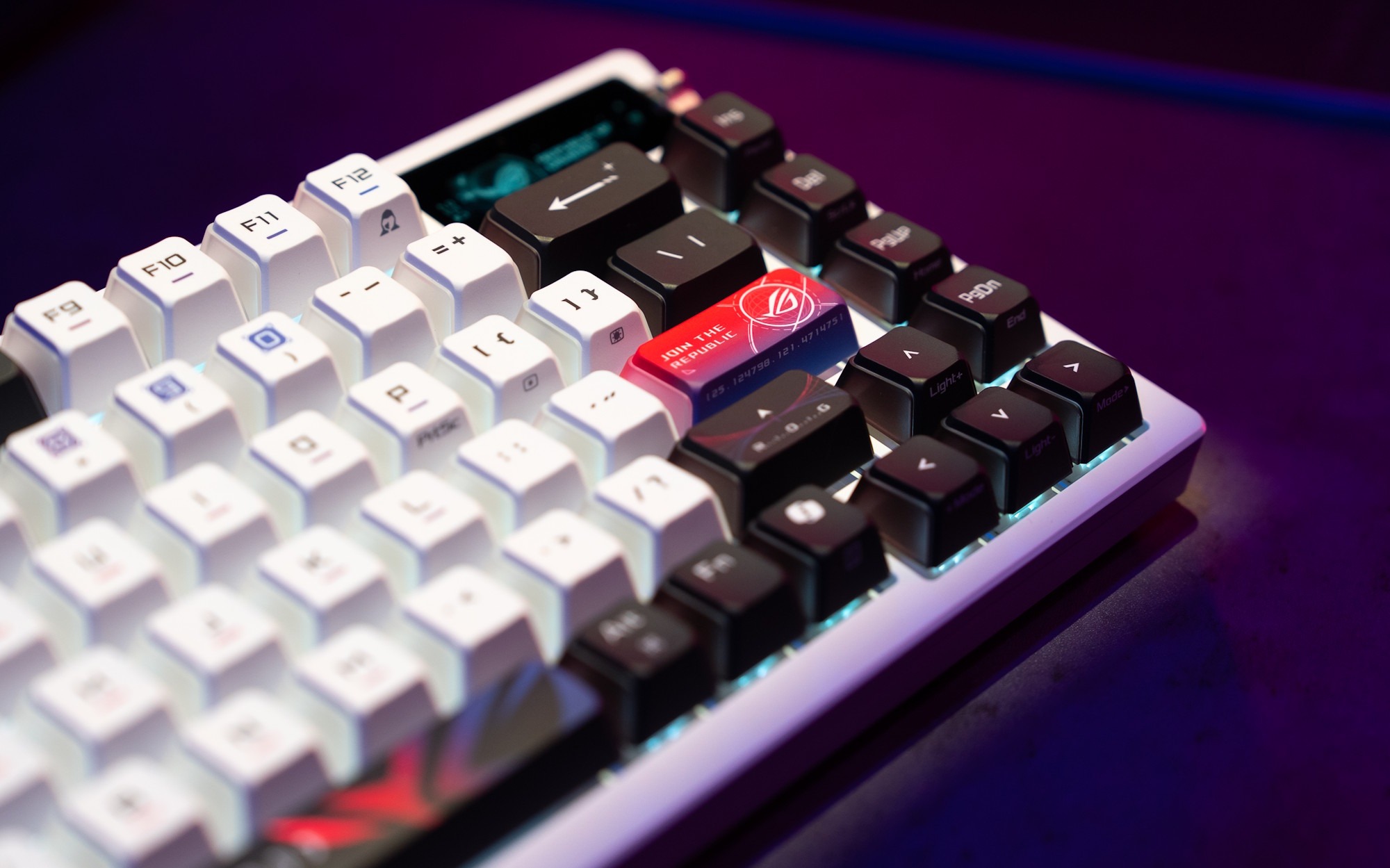
Typing may feel routine, but research shows how much influence it has on productivity. A study published by the University of Cambridge found that people who optimize their typing environment and tools can improve writing efficiency by up to 20 percent, especially in tasks involving continuous text input.
How often do you type during the day: emails, notes, documents, messages, and searches? Small improvements in keyboard behavior or layout can quietly transform how fast and comfortably those tasks happen.
Customizing a keyboard does not mean building a complex mechanical setup or learning an entirely new layout. Most improvements come from software tweaks, smarter input tools, and a few thoughtful workflow changes.
When the keyboard works with your habits instead of against them, writing becomes smoother and far less tiring.
Why Keyboard Customization Improves Productivity
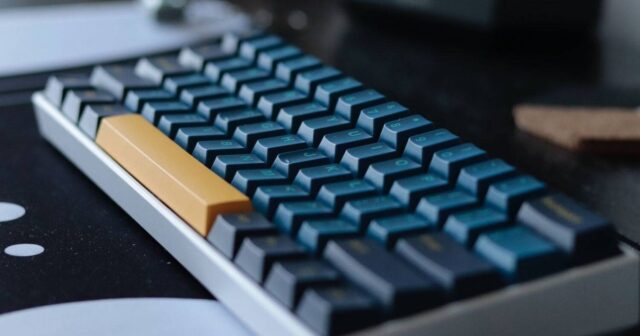
Many people treat the keyboard as a fixed tool. In reality, it is one of the most adaptable parts of a computer workflow. Adjusting it to match how you write can reduce typing errors, speed up text entry, and simplify repetitive tasks.
Several small adjustments often produce the biggest difference:
- Key remapping can move commonly used shortcuts to easier positions
- Input methods can predict words or phrases and reduce keystrokes
- Macros automate repetitive commands that appear throughout a workday
- Layout changes can reduce strain during long writing sessions
These changes work together to create a smoother typing rhythm. Instead of interrupting your thoughts to fix mistakes or search for commands, the keyboard becomes a supportive tool.
Choosing the Right Input Method
Before adjusting shortcuts or layouts, it helps to consider the input method you use. Modern typing software can dramatically change how text appears on the screen.
A good example is 搜狗输入法 (Sogou input method), widely used by people who type in multiple languages or rely on predictive typing. Quite quickly, AI will learn your style and improve your speed with its mind reading like capabilities. Quicker output and fewer mistakes are among the biggest benefits you are getting.
Predictive engines like this reduce friction during writing. Instead of typing every letter manually, the system suggests complete words or phrases that match your context.
This approach is especially helpful for:
- Multilingual typing
- Long documents or reports
- Messaging and communication workflows
- Fast note taking during meetings
Once the input method feels intuitive, the rest of the keyboard customization becomes much easier.
Remapping Keys for Faster Access
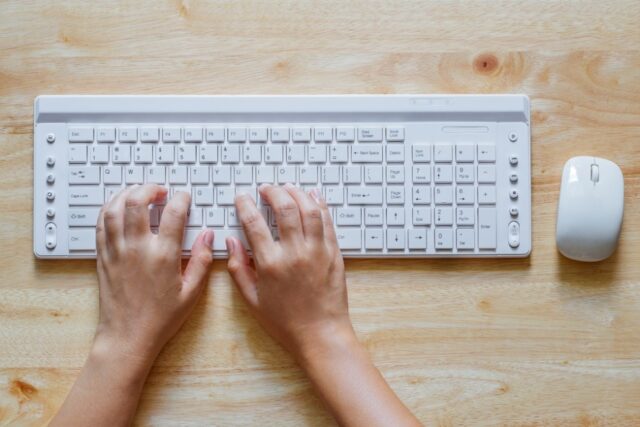
Key remapping is one of the most powerful keyboard customization techniques. Many keyboards contain keys that people rarely use, while important shortcuts require awkward finger combinations.
Remapping solves this imbalance by assigning new actions to existing keys.
For example, many writers move the Caps Lock key to perform a more useful function. Common alternatives include:
- Turning Caps Lock into an additional Ctrl key
- Assigning it as a macro trigger
- Mapping it to frequently used commands such as copy or paste
The benefit appears immediately. Shortcuts become easier to reach, and repetitive actions require less hand movement.
Interesting fact
Research from the Human Computer Interaction Institute at Carnegie Mellon University shows that reducing finger travel distance during typing can significantly lower fatigue during extended computer use.
Small ergonomic improvements often translate into noticeable productivity gains.
Creating Macros for Repetitive Tasks
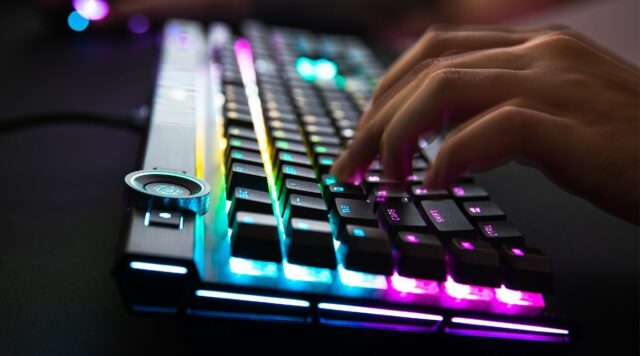
Macros allow a keyboard to perform multiple actions with a single key press. This feature is especially valuable for tasks that repeat throughout the day.
Common examples include inserting email signatures, formatting text, or launching frequently used programs.
The table below shows several simple macro ideas and their typical use cases.
| Macro Action | Example Use | Benefit |
|---|---|---|
| Insert full email signature | Business emails | Saves repeated typing |
| Paste formatted text template | Reports or documents | Ensures consistency |
| Launch favorite writing tool | Notes or editor | Faster workflow start |
| Insert common phrases | Customer responses | Reduces repetitive typing |
Macros remove friction from routine tasks. Instead of repeating the same steps, the keyboard handles them instantly.
Over time this automation can save minutes each day, which adds up quickly across weeks or months of work.
Adjusting Keyboard Layout for Comfort
Typing comfort matters just as much as speed. A poorly arranged keyboard layout can lead to fatigue or discomfort during long sessions.
Several layout changes can improve comfort and efficiency.
- Split keyboard layouts help keep wrists in a natural position
- Adjustable typing angles reduce strain during long sessions
- Compact layouts reduce unnecessary hand movement
Even without changing hardware, small software tweaks can help. Some operating systems allow users to adjust key sensitivity, repeat delay, and repeat speed.
A faster key repeat speed can improve responsiveness for experienced typists. A slower repeat delay can prevent accidental repeated characters.
Using Text Expansion Tools
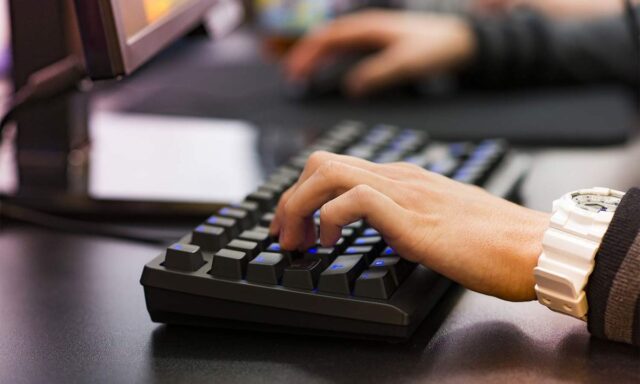
Text expansion is one of the most effective ways to accelerate typing without changing typing habits.
These tools replace short abbreviations with longer phrases automatically.
For example:
- Typing “addr” expands into a full address
- Typing “tymsg” expands into a thank you message
- Typing “sig1” inserts a professional signature
This method is particularly useful for professionals who send repeated responses or fill out forms frequently.
A good expansion system often includes:
- Custom shortcuts for phrases
- Automatic formatting options
- Cross device synchronization
Over time the number of saved keystrokes becomes significant. Many users report saving thousands of keystrokes per day after building a solid text expansion library.
Organizing Shortcuts for Workflow Efficiency
Keyboard shortcuts are powerful, but they become truly effective only when organized around real workflows.
Instead of memorizing dozens of commands, it helps to group shortcuts by activity.
For example:
- Writing shortcuts such as copy, paste, undo, and redo
- Navigation shortcuts for switching windows or tabs
- Editing shortcuts for formatting or text manipulation
Creating a consistent shortcut pattern makes these actions feel intuitive.
According to usability studies by the Nielsen Norman Group, users perform routine computer tasks up to 30 percent faster when keyboard shortcuts replace menu navigation.
Efficiency increases when commands become part of muscle memory rather than deliberate actions.
Building a Better Typing Setup
Keyboard customization does not require advanced hardware or complicated setups. Most improvements come from simple adjustments such as smarter input methods, key remapping, macros, and text expansion tools. These small changes can noticeably improve typing speed, reduce mistakes, and make long writing sessions more comfortable.
When the keyboard adapts to your workflow, typing becomes smoother and more efficient. Instead of interrupting your thoughts to fix errors or search for commands, the keyboard supports your writing process and helps maintain focus throughout the task.