
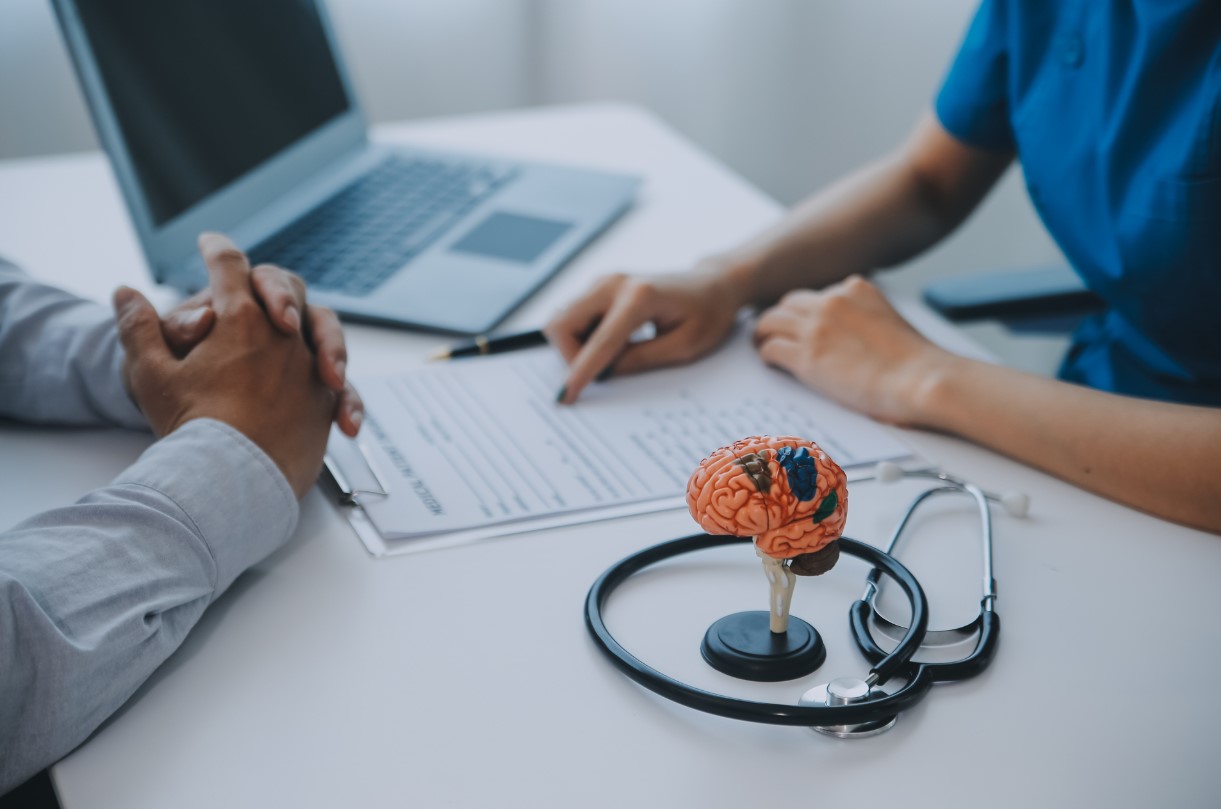
The brain, an incredibly complex organ, serves as the control center for our entire body. Beyond being responsible for basic survival functions such as breathing, heart rate, and movement, it mediates our emotions, cognitive functions, and decision-making capabilities. This organ is composed of approximately 86 billion neurons, all interconnected to create a vast communication network.
Each neuron can form thousands of connections, resulting in a dynamic web of neural pathways. Understanding how these connections function provides insight into the intricate relationship between brain health and overall well-being. New research continually reveals that cognitive processes such as memory, attention, and learning are not only the products of brain structure but also of neurochemical interactions.
Neurotransmitters, the chemicals that transmit signals between neurons, play a significant role in mood regulation and cognitive performance, highlighting the importance of both physical and mental health for optimal brain function.
Moreover, our understanding of the brain has expanded significantly over the past few decades, leading researchers to explore neuroplasticity our brain’s ability to reorganize and form new neural connections throughout life. This adaptability means that our brains can regenerate and heal from trauma, stress, and neglect, provided that we engage in the right activities and therapies.
In this context, brain health reflects not only the absence of neurological disorders but also encompasses cognitive resilience, emotional stability, and psychological well-being. Scientific studies support the notion that enhancing brain health through various lifestyle changes such as diet, exercise, mindfulness, and social interaction can lead to improved cognitive performance and emotional stability.
As we navigate the complexities of modern life, promoting brain health must become a priority for anyone seeking to enhance their quality of life.
Why Brain Health Should Be Your New Priority
Brain health is often overshadowed by the broader conversation surrounding physical health, yet it is integral to our overall quality of life. Chronic conditions like diabetes, hypertension, and obesity have established physical health as a priority, yet conditions like anxiety, depression, and dementia are increasingly becoming critical public health concerns.
The World Health Organization recognizes mental health as an essential component of overall health, emphasizing the importance of raising awareness about brain health. The rise in neurodegenerative diseases, coupled with stress-related psychiatric disorders, underscores the urgent need for individuals to rethink how they approach their well-being.
Emphasizing brain health can lead to transformative benefits that extend beyond cognitive acuity. Research indicates that maintaining robust brain health can considerably reduce the likelihood of developing conditions such as Alzheimer’s disease, Parkinson’s disease, and other cognitive impairments associated with aging.
Furthermore, enhanced cognitive function correlates with improved occupational performance, enhanced relationships, and a more fulfilling daily life. The consequences of poor brain health, on the other hand, can be debilitating, affecting not only the individual but their families and communities at large. Given the profound implications for personal and societal well-being, transitioning to a brain health-centered lifestyle is an imperative step towards a healthier future.
Exploring the Unique Offerings of a Brain Health Clinic
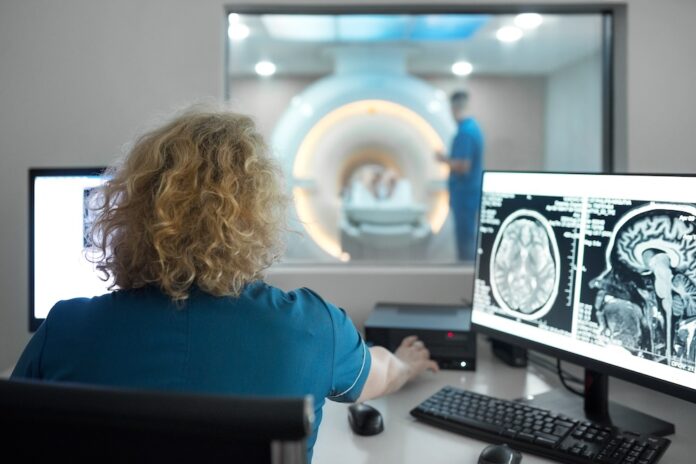
Personalized Assessments ─ Tailored Approaches to Your Needs
One of the most significant advantages of a brain health clinic is the personalized assessment process. Traditional healthcare often adopts a one-size-fits-all approach; however, brain health clinics recognize the unique neuroscience of each patient. Comprehensive evaluations in these clinics typically encompass a multifaceted approach involving psychological assessments, cognitive testing, neuroimaging, and physical health evaluations. Such thorough examinations enable clinicians to identify specific areas of need, developing tailored action plans based on an individual’s mental, emotional, and cognitive health.
For instance, patients struggling with attention deficits or learning disorders may receive targeted cognitive-behavioral therapy (CBT) combined with neurofeedback to train brainwave patterns conducive to improved focus and retention. Conversely, individuals grappling with the aftermath of traumatic brain injury may undergo a rehabilitative program specifically designed to rebuild cognitive and physical functions. The precision in these assessments enables individuals to take ownership of their health, empowering them to engage in therapies designed to maximize their cognitive potential and emotional stability. Such tailored strategies are not merely beneficial; they are increasingly essential in our understanding of how diverse individual experiences shape brain function.
Advanced Therapies ─ Techniques That Transform Lives
Brain health clinics leverage cutting-edge therapies that are at the forefront of scientific advancements. Traditional approaches often rely heavily on medication; however, clinics are embracing a more holistic modus operandi, combining pharmacological treatments with innovative therapeutic strategies. Cognitive rehabilitation, for example, utilizes structured activities designed to enhance reasoning and memory, and has become an integral part of recovery for those experiencing cognitive decline.
Additionally, experiential therapies such as art and music therapy are gaining traction, providing patients with creative outlets that stimulate neural pathways associated with emotional expression and processing. Moreover, new studies validate the use of neurostimulation techniques, such as transcranial magnetic stimulation (TMS), which involves non-invasively stimulating areas of the brain linked to mood regulation and cognitive function, enabling patients to experience profound improvements without relying solely on medications.
Mindfulness practices, which involve focused attention and awareness, have also been incorporated extensively. Numerous studies highlight that mindfulness meditation and yoga improve emotional regulation and cognitive flexibility, making them powerful tools in both prevention and treatment strategies for brain health. Ultimately, the synthesis of these advanced therapies not only accelerates recovery but fosters an environment in which sustained cognitive health can flourish.
A Closer Look at the Mind-Body Connection
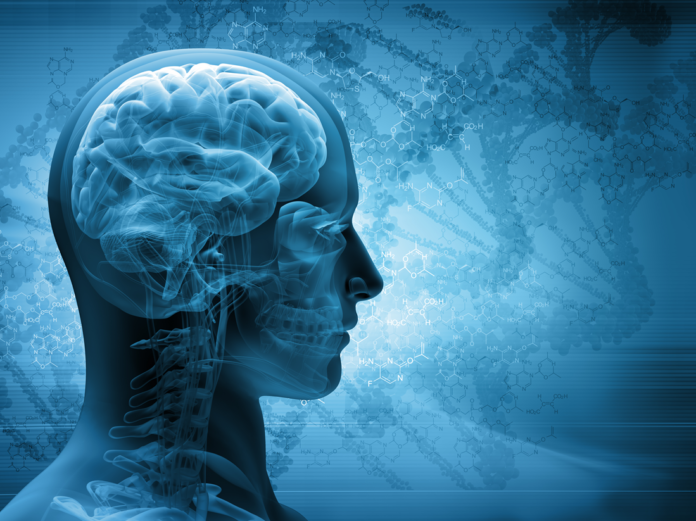
How Emotional Wellness Influences Brain Function
The interplay between emotional wellness and brain function is a vital area of research that underscores the comprehensive nature of health. Emotional wellness encompasses our mental state, feelings, and the ability to cope with stressors, which all directly impact cognitive functions.
When an individual experiences chronic stress, anxiety, or depression, the brain’s chemistry undergoes changes that can impair functions like memory, executive function, and information processing.
For example, prolonged exposure to cortisol the hormone released in response to stress can damage the hippocampus, a region of the brain responsible for memory formation and emotional regulation.
This connection illustrates that fostering emotional wellness is not merely beneficial for our mental outlook; it has profound implications for cognitive integrity. Programs focused on enhancing emotional health, such as therapy, stress management techniques, and social support systems, are crucial elements of comprehensive brain health strategies.
By addressing the emotional landscape of a patient, brain health clinics can significantly influence cognitive longevity and resilience, promoting an integrated approach to healthcare that prioritizes the mind-body connection.
Balancing Mental Health and Cognitive Enhancement
The journey toward optimal brain health is intrinsically linked to achieving a balance between mental health and cognitive enhancement. Mental health refers to our emotional, psychological, and social well-being, impacting how we think, feel, and act.
As an individual works toward better mental health through therapeutic interventions, lifestyle adjustments, or social support a reciprocal effect promotes cognitive enhancement. A healthy mind is more agile and better equipped to engage in learning, problem-solving, and other cognitive tasks, while cognitive stimulation can further enhance mental health, creating a positive feedback loop.
Brain health clinics extend this balance through multifaceted treatment programs that include cognitive training exercises, psychoeducation, and wellness initiatives. Cognitive training exercises help sharpen specific cognitive functions, like memory or attention, while psychoeducation empowers patients with knowledge about their conditions and promotes self-efficacy.
Furthermore, wellness initiatives such as proper nutrition, regular physical activity, and mindfulness practices create nurturing environments that support both mental and cognitive health. The synergy of these approaches illustrates that our brain is holistically responsive, suggesting that nurturing both mental health and cognitive capabilities is essential in fostering overall brain well-being.
Real-Life Success Stories ─ The Transformative Power of Clinics
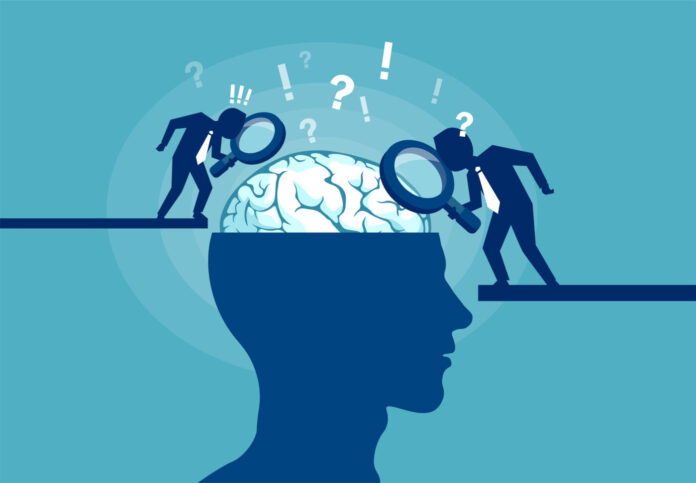
From Struggles to Triumphs ─ Inspiring Patient Journeys
Real-life success stories from brain health clinics often serve as powerful motivators for those seeking support. Consider the journey of a young woman named Sarah, who struggled with debilitating anxiety and memory impairment due to chronic stress.
After participating in a personalized treatment program that combined therapy, mindfulness practices, and cognitive exercises, Sarah experienced significant improvements. She reported a marked reduction in anxiety symptoms and an enhancement in her cognitive functions, ultimately returning to university and excelling in her studies.
Stories like Sarah’s are emblematic of the transformational potential of targeted interventions, where individuals can regain control over their mental health and cognitive prowess.
Similarly, John, a middle-aged man struggling with mild cognitive impairment, found renewed hope through a brain health clinic. His tailored program included structured cognitive rehabilitation exercises, nutritional guidance, and support groups that fostered camaraderie and understanding.
Over time, John not only experienced improvements in memory but also regained confidence in social situations, benefiting from the supportive environment offered by the clinic.
Such narratives highlight the pivotal role that specialized clinics play in accountably affecting change in individuals’ lives, creating pathways from struggle to triumph through professional support and personalized care.
The Science Behind Recovery ─ Testimonials that Matter
Testimonials, often characterized by tangible results and personal experiences, provide compelling evidence of the effectiveness of brain health clinics. Numerous studies corroborated by patient feedback emphasize the significant improvements that come from comprehensive brain health approaches.
Clinical trials and outcomes from various programs have illustrated that patients who engage in structured therapies tend to see enhanced cognitive skills and emotional resilience, backing anecdotal evidence with concrete research.
For instance, a recent study focused on the effects of cognitive training in patients with early-stage Alzheimer’s reported that participants who engaged in regular cognitive interventions showed slower rates of cognitive decline compared to control subjects.
Success stories from these patients reflect the broader clinical findings when individuals receive tailored cognitive interventions and participate in their recovery processes, they tend to report greater success in maintaining cognitive functionality and emotional health. These testimonials affirm the efficacy of brain health clinics, ultimately inspiring others to seek assistance and undergo similar transformative experiences.