
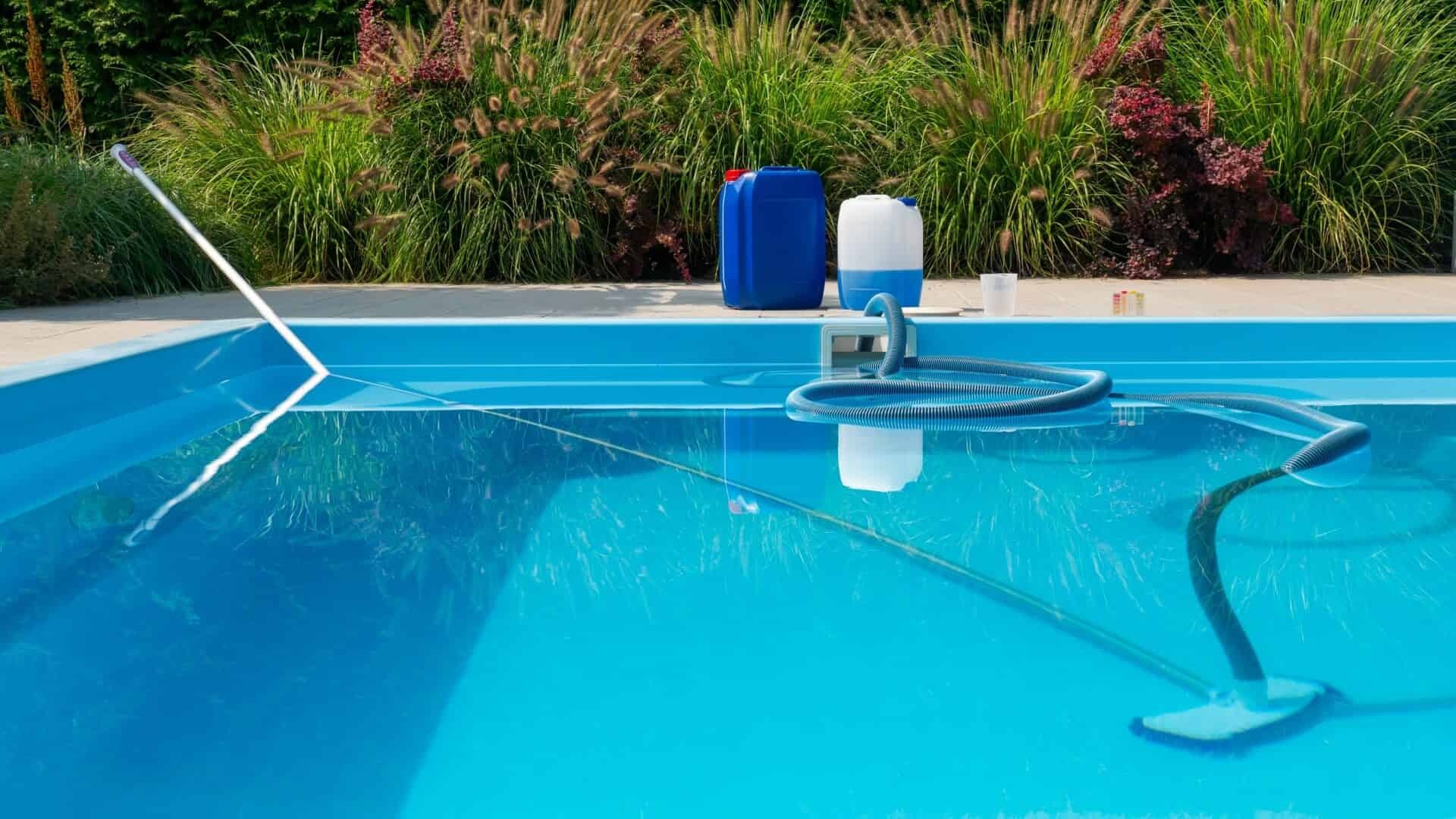
Every pool owner has that moment of doubt. You glance at the waterline, swear it was higher yesterday, and suddenly a simple backyard pool feels like a mystery waiting to drain your wallet. Here is the tricky part, all pools lose water naturally, yet not all water loss is harmless.
Heat, wind, splash-out, and normal circulation can lower levels faster than most people expect. At the same time, a hidden leak can quietly waste hundreds of gallons before it becomes obvious.
Knowing how to tell the difference between a pool leak or evaporation is not just helpful, it is essential if you want to avoid unnecessary repairs or, worse, ignore a real problem for too long.
Evaporation Vs Leak Comparison Table
Sometimes, a side-by-side view makes the difference clearer than paragraphs of explanation.
| Indicator | Evaporation | Leak |
| Daily water loss | Gradual and weather dependent | Consistent regardless of weather |
| Bucket test result | Pool and bucket drop equally | Pool drops more than bucket |
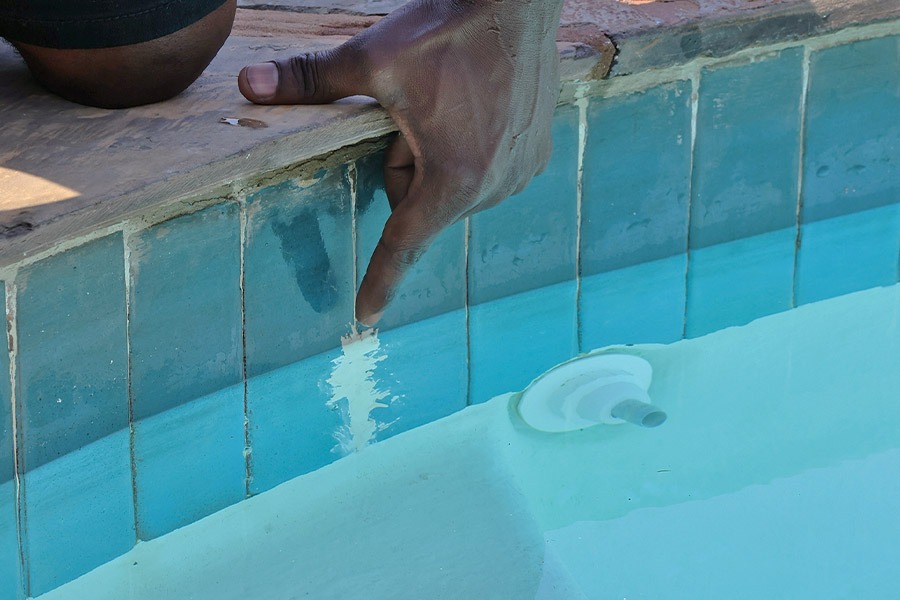
| Wet spots around pool | Rare | Common near leak source |
| Water loss with pump off | Continues slowly | Often slows or stops |
| Increase during heat or wind | Yes | Not significantly |
This comparison helps narrow down the cause before taking the next step.
Why Pools Lose Water Naturally
Before assuming the worst, it helps to understand how evaporation actually works in a swimming pool. Warm water molecules escape into the air, especially during hot days, dry weather, or windy conditions.
Heated pools and spas experience this even more because higher water temperature speeds up evaporation. In many climates, losing a quarter to half an inch of water per day can be completely normal, particularly in summer.
Other everyday factors add to this loss. Swimmers displace water through splashing and play. Automatic cleaners can cause small amounts of overflow. Backwashing the filter or draining water for maintenance also lowers the level. When all these small contributors stack up, it is easy to mistake normal water loss for a leak.
Common evaporation contributors include:
- High daytime temperatures combined with cool nights
- Strong or constant wind across the water surface
- Pool heaters running frequently
- Heavy pool use or active kids and guests
If you suspect something is off but cannot pinpoint it, this is often the stage when professional insight matters. Many homeowners choose to consult specialists like Dolphin Pool service because trained technicians can distinguish between harmless evaporation and early-stage leaks before they escalate into costly repairs.
Early Signs That Point Toward a Leak
While evaporation is gradual and predictable, leaks often leave subtle clues around your pool area. The challenge is that these signs are easy to miss if you do not know what to look for. One early red flag is having to add water far more often than usual, especially when weather conditions have not changed.
Pay attention to the surrounding environment as well. Soggy soil, unexplained puddles, or grass growing faster near the pool can indicate underground water escape. Cracks in the pool shell, loose tiles, or deteriorating seals around lights and skimmers are also common leak sources. Even plumbing lines can develop small fractures that only leak when the pump is running.
The Bucket Test Explained Step by Step
One of the most reliable DIY methods for comparing a pool leak or evaporation is the bucket test. It is simple, inexpensive, and surprisingly effective when done correctly. The goal is to measure water loss from the pool against water loss from a container exposed to the same conditions.
Start by filling a bucket with pool water and placing it on a pool step, ensuring the bucket water level matches the pool water level. Mark both levels clearly. Turn off any automatic fill devices and avoid swimming during the test period. After 24 hours, compare the two water levels.
If the pool water has dropped more than the bucket water, you may be dealing with a leak. If both levels drop equally, evaporation is the likely culprit. Repeat the test with the pump both on and off to narrow down whether plumbing might be involved.
Using Water Loss Patterns To Your Advantage
Beyond single tests, patterns over time often tell the clearest story. Evaporation tends to follow weather trends, increasing during heat waves and slowing during cooler or humid periods. Leaks, on the other hand, usually cause consistent loss regardless of conditions.
Keeping a simple water level log for a week or two can reveal these patterns clearly. Note daily water levels, weather conditions, and pool usage. You may notice that water loss spikes only on windy days, or remains steady even during cool, calm nights. That consistency is often the key difference.
Helpful tracking details include:
- Daily water level measurements
- Air temperature and wind conditions
- Pump run times
- Pool usage or maintenance activity
This kind of observation costs nothing but can save you from unnecessary repairs or delayed action.
When Equipment And Plumbing Are The Real Issue
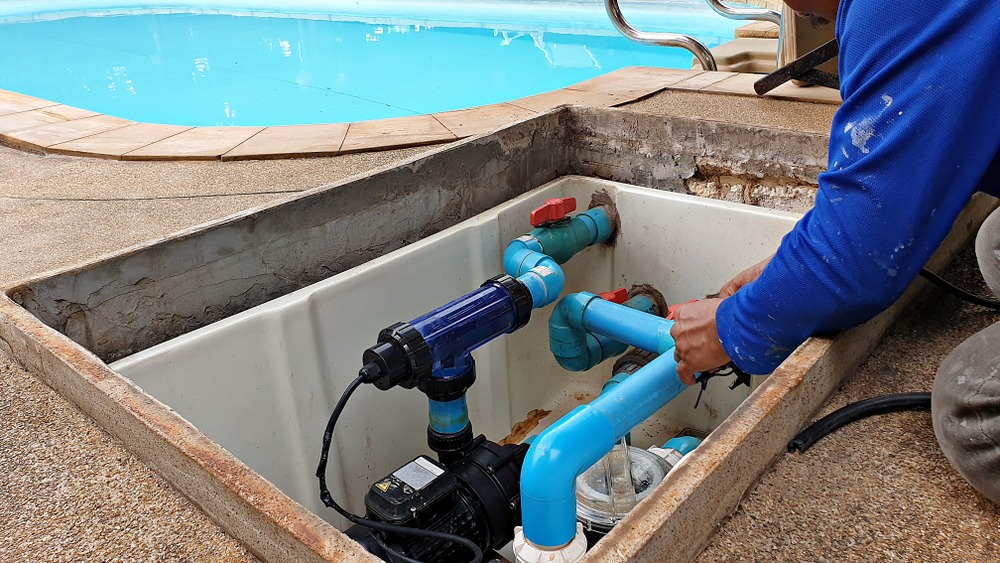
Sometimes the pool shell is perfectly fine, but the problem lies in the circulation system. Leaks in pumps, filters, valves, or underground pipes can be sneaky because they often occur out of sight. A common clue is water loss that increases only when the pump is running.
Inspect visible equipment for drips, corrosion, or mineral buildup, which often marks slow leaks. Check around the pump base and filter housing after the system has been running for a while. Underground leaks may show up as air bubbles in the return lines or difficulty maintaining prime in the pump.
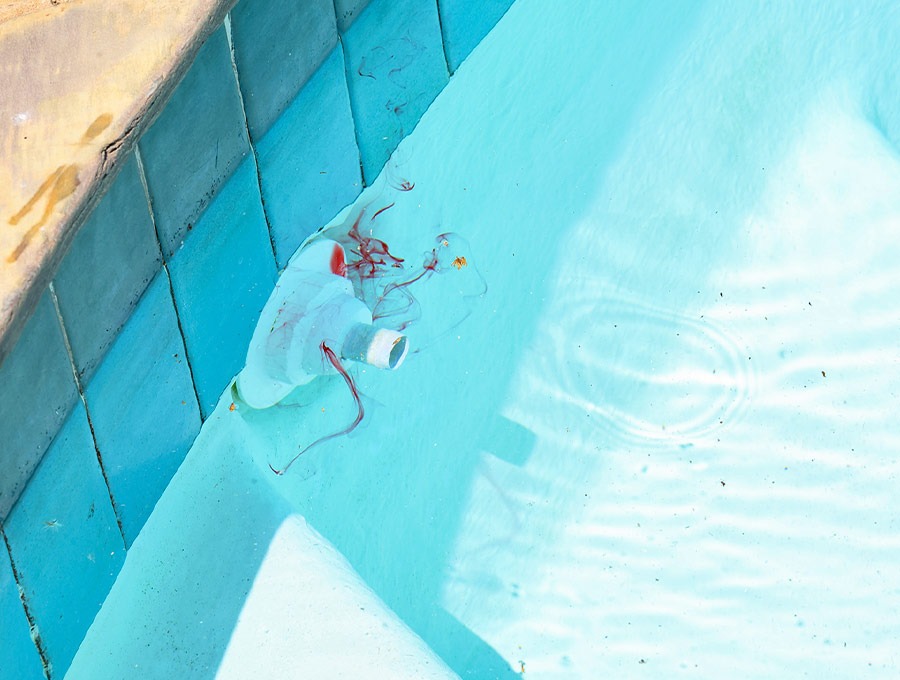
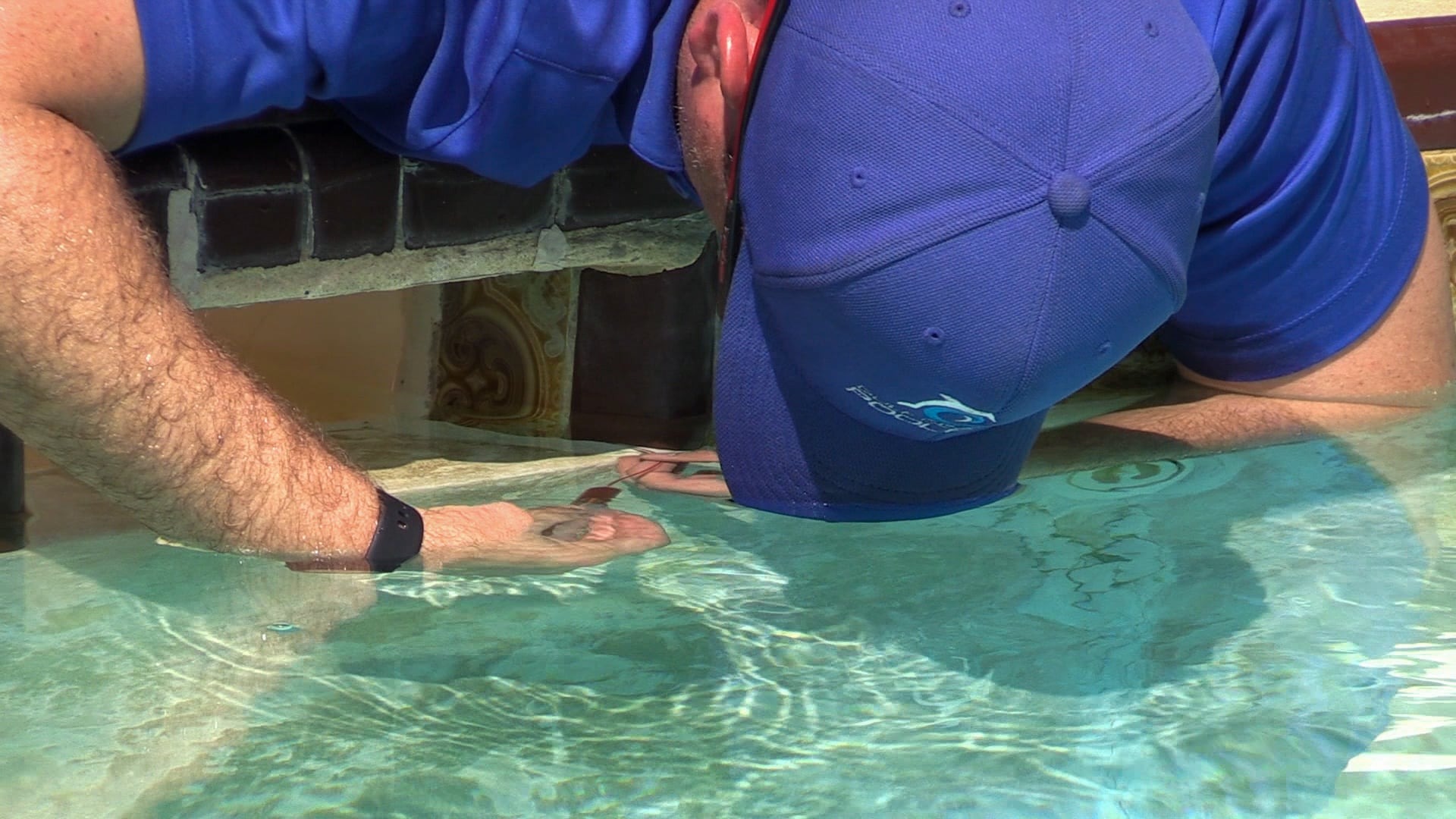
In these cases, professional pressure testing or dye testing becomes invaluable. Identifying plumbing leaks early prevents structural damage to decks, patios, and surrounding soil, which can cost far more than the repair itself.
Overnight Water Loss
Evaporation often continues overnight, especially when warm water meets cooler night air. This temperature difference accelerates evaporation even when the sun is gone. Many pool owners assume nighttime water loss must indicate a leak, but that is not always true.
Humidity also plays a role. Dry night air pulls moisture from the water surface more aggressively than humid air. If you live in an area with large day to night temperature swings, overnight evaporation can be surprisingly noticeable. This is why comparing conditions, not just timing, matters when diagnosing water loss.
Understanding this prevents unnecessary panic and keeps the focus on evidence rather than assumptions.
Final Thoughts
Figuring out whether you are dealing with a pool leak or evaporation does not have to feel overwhelming. By understanding normal water loss, watching for warning signs, and using simple tests like the bucket method, you can make an informed decision rather than relying on guesswork. Patterns, consistency, and context matter more than a single low waterline.
Also read: Most popular swimming pool shapes
Acting early protects your pool, your property, and your peace of mind. Whether the solution is as simple as topping off the water or as involved as professional repair, knowing the difference ensures you take the right step at the right time.