

Trying a hyperbaric oxygen chamber for the first time often brings a mix of curiosity, optimism, and a few practical questions. People hear about improved healing, better recovery, and clearer energy levels, yet they still wonder what the experience actually feels like.
This guide helps bridge that gap. It clarifies what beginners should expect, how the therapy works, what happens inside the chamber, and how to prepare so the first session feels smooth and stress free.
What a Hyperbaric Oxygen Chamber Does and Why Beginners Use It
A hyperbaric oxygen chamber increases atmospheric pressure around the body so your lungs can absorb more oxygen than they normally do at sea level. That extra oxygen enters the bloodstream and supports healing processes. For first timers, the appeal often comes from its potential to help with post exercise recovery, stubborn wounds, certain inflammatory concerns, or general wellbeing.
Many clinics guide beginners through a short introductory consultation before the first session, explaining the pressure levels used and how the body responds.
Here is a short list summarizing why newcomers typically start:
- More efficient recovery after physical strain
- Support for wound healing or post surgical repair
- Help with inflammation or swelling
- Desire for improved overall energy and clarity
Where Beginners Often Try Their First Session
Your first appointment usually begins with a quick health check and a review of your goals. You will be asked about medications, sinus issues, recent illnesses, or anything that might affect pressure changes. Staff members also explain how equalizing ear pressure works, what the session flow looks like, and how long you will remain inside. A standard introduction takes ten to fifteen minutes and prepares you for the first full treatment.
People often choose a location based on accessibility, staff guidance, and comfort. That is why many beginners look for centers as Oxynergy, known for thorough instruction and high quality Beverly Hills hyperbaric chamber. If you happen to be looking for a welcoming center that will help reduce first time anxiety and make the process easier to understand.
How a Session Actually Feels
Before entering the hyperbaric oxygen chamber, you remove items sensitive to pressure or oxygen concentration such as lighters, oils, or electronic devices. Inside the chamber, you lie down or sit comfortably while the technician gradually increases pressure. Most people say the sensation is similar to an airplane ascent but in reverse, meaning you may feel temporary fullness in the ears.
Below is a simple table showing the typical experience flow:
| Phase | What Happens |
| Pressurization | Gradual increase in pressure, mild ear sensation |
| Steady State | You breathe concentrated oxygen while resting |
| Decompression | Slow return to normal pressure |
This overview helps first timers visualize the structure of a single session. Each phase lasts several minutes and is supervised by trained staff, making it easier to stay relaxed.
Safety Basics Every Beginner Should Know
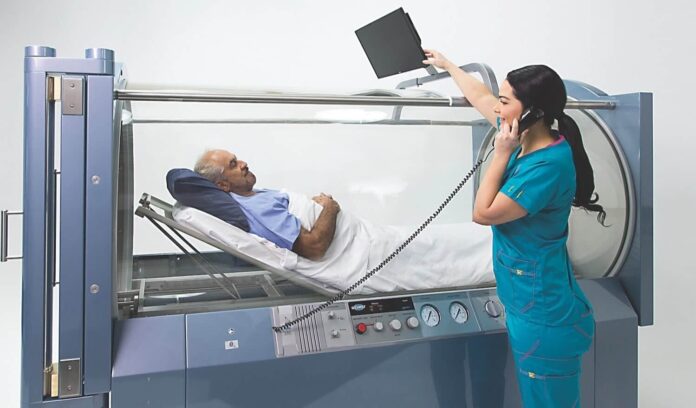
Safety protocols ensure that the hyperbaric oxygen chamber environment remains controlled and comfortable. Clinics follow strict guidelines regarding equipment maintenance, pressure ranges, allowed clothing, and communication during the session. According to the FDA, hyperbaric chambers must meet safety standards related to pressure integrity and oxygen delivery.
If you experience sinus pressure or ear discomfort, you can communicate with the operator at any moment. The chamber allows for two way communication, and beginners are encouraged to mention anything unusual so adjustments can be made. Light clothing, no petroleum products on the skin, and a relaxed posture all contribute to a smooth session.
Definition: Hyperbaric oxygen therapy is recognized by the Undersea and Hyperbaric Medical Society as a treatment involving pressures higher than atmospheric levels, enabling the bloodstream to carry significantly more oxygen.
Preparing for Your First Hyperbaric Session
Most clinics give simple instructions before arrival. These guidelines help ensure that the pressure change feels comfortable and the session runs safely.
Common preparation steps include:
- Drink water but avoid heavy meals immediately before
- Do not use oil based skincare or hair products
- Avoid alcohol on the day of the session
- Wear cotton based clothing if the clinic requests it
Each of these steps supports stable breathing and comfort during the treatment. First timers may also be asked to remove jewelry or hearing devices before entering.
How Many Sessions a Beginner Typically Needs
The number of recommended sessions depends on why you are trying a hyperbaric oxygen chamber. Athletes might take a few sessions a week for recovery. Post injury cases can require several sessions spread across a structured plan. For general wellness, beginners often start with three to five sessions to understand how their body responds.
How Practitioners Build a Treatment Plan
Introductory plans focus on gradual exposure. The clinician monitors pressure tolerance, oxygen response, and any changes in symptoms. Treatment plans are adjusted as beginners gain more comfort and understand their preferred schedule. Plans always differ by individual, but early sessions offer a consistent learning curve.
Did You Know? Mayo Clinic notes that hyperbaric oxygen therapy can raise the oxygen level in blood by up to three times its normal concentration depending on the pressure setting.
This elevated level is temporary but powerful enough to influence tissue repair, immune response, and inflammation management. That increase is what makes the hyperbaric oxygen chamber appealing to people experiencing slow healing or chronic inflammation.
Possible Sensations and Normal Reactions
Beginners often report predictable reactions that fade shortly after the session. For example, mild ear pressure or temporary lightheadedness can appear during the pressure changes. Some people feel slightly tired afterward as their body processes the increased oxygen intake.
What Counts as Normal
Normal responses include light fatigue, ear fullness, short lived sinus pressure, or a warm sensation due to increased circulation. Staff members typically review these experiences after the session to ensure everything aligns with expected reactions. If anything unusual occurs, adjustments in pressure or session time can be made right away.
Who Should Avoid Hyperbaric Sessions

Although the hyperbaric oxygen chamber suits many beginners, some conditions require caution.
Individuals with:
- untreated pneumothorax,
- certain lung diseases,
- severe upper respiratory infections,
- ear canal issues
- pregnant individuals and those with implanted devices
should consult a healthcare provider and need medical clearance first.
The FDA cautions the public that hyperbaric oxygen therapy should not be used as a replacement for proven medical treatments, especially for conditions such as cancer, diabetes, or other chronic illnesses. Their consumer update explains that HBOT is only cleared for a limited list of medical uses, and relying on it for unapproved conditions may cause people to delay effective care. The agency emphasizes that anyone considering hyperbaric therapy for a health issue should first consult a qualified physician.
Clinics will usually screen for these factors during your consultation.
What Happens After the Session
Once the chamber returns to normal pressure, you can stand up slowly, stretch, and drink some water. Many beginners feel relaxed, while others report a slight energy boost later in the day. You can resume normal tasks immediately unless instructed otherwise. If you scheduled a series of sessions, staff may review your comfort level and fine tune your progression plan.
FAQs
How long does a typical first session last?
Most beginners spend about sixty to ninety minutes inside the chamber depending on the clinic’s protocol.
Can I bring a phone or electronic device into the chamber?
No. Electronics are not allowed for safety reasons because of the increased oxygen concentration.
Is it safe for people with sinus problems?
Mild sinus issues can cause discomfort during pressure changes, so clinics often ask about congestion beforehand. Adjustments can be made, but medical clearance may be needed.
Can I exercise immediately after treatment?
Light activity is fine, but intense exercise is usually postponed until you see how your body responds.
Do most clinics allow children to use the therapy?
Some do, but only with pediatric medical guidance. Age related considerations and specific conditions must be reviewed by a clinician.
Conclusion
View this post on Instagram
Stepping into a hyperbaric oxygen chamber for the first time becomes much easier once you understand how the process works and what the session involves. Preparation, clear expectations, and guidance from trained staff help beginners settle in quickly and pay attention to how their body responds.
Each session adds a bit more familiarity, and over time many people find a rhythm that matches their goals. If you decide to continue with a full treatment plan, make sure it aligns with medical advice and that you feel comfortable asking questions at every step.
The real value comes from combining safe practice with informed decisions so each session supports better wellbeing and steady progress.