

Women’s football has seen increased global attention in recent years, with growing audiences, improved coverage and rising commercial interest. This article examines how sports betting has become connected to the sport’s expansion, from fan engagement to match analysis. According to FIFA, the 2023 Women’s World Cup reached more than 2 billion viewers and engagements worldwide, highlighting the increasing visibility of the women’s game. The relationship between football audiences and betting markets continues to develop as leagues attract more supporters and wider media coverage.
Women’s football has reached a new stage of growth, with leagues and competitions attracting larger audiences across different regions. More matches are available to watch, more players are gaining international recognition and clubs continue to build stronger professional structures.
Alongside this progress, sports betting has become a more noticeable part of the wider football conversation. Betting markets now cover many women’s competitions, reflecting increased interest in fixtures, player performances and team statistics. However, the development of the women’s game remains driven by sporting quality, fan support and investment in competitions.
The Growing Popularity of Women’s Football

The rise of women’s football has created new opportunities for sports betting to become part of the wider matchday experience. Online betting platforms now include markets on football fixtures alongside other sports and entertainment categories, with features such as live betting options and match statistics available for adult users. These services also highlight responsible gambling information and support resources as part of regulated betting activity.
The growth of betting interest follows the wider expansion of women’s football. According to FIFA, the 2023 Women’s World Cup generated more than 2 billion viewers and engagements globally, making it the most widely followed edition of the tournament at the time. The competition also recorded an average stadium attendance of more than 30,000 spectators per match, showing the continued ability of women’s football to attract large audiences.
As more fans follow matches, betting operators have responded by increasing coverage of women’s competitions. This reflects a broader shift in how supporters consume football, with statistics, team form and player information becoming increasingly important parts of match discussions.
Why Betting Interest Is Increasing
The growth of betting interest in women’s football connects closely with improved access to matches and information. More leagues now receive broadcast coverage, while supporters can follow fixtures through digital platforms, live updates and detailed performance data.
According to a 2024 report from Deloitte on women’s sports, rising attendance figures, media coverage and commercial investment have helped create stronger financial opportunities across women’s competitions. These developments have encouraged more companies, including betting operators, to pay attention to the sport as audiences continue to grow. The availability of statistics has also changed how fans prepare for matches. Supporters can compare team records, review recent performances and follow player trends before fixtures begin. For some adult fans, betting adds another element to their interest, while many others engage through analysis and discussion without placing wagers.
The increase in betting markets does not define women’s football, but it reflects the sport’s expanding visibility. As leagues become more established, more businesses are recognizing the value of reaching engaged football audiences.
More Fans Are Following Every Match
Women’s football supporters now have more ways to stay connected throughout a season. Traditional broadcasts remain important, but digital platforms have expanded access to fixtures, interviews, statistics and behind-the-scenes coverage.
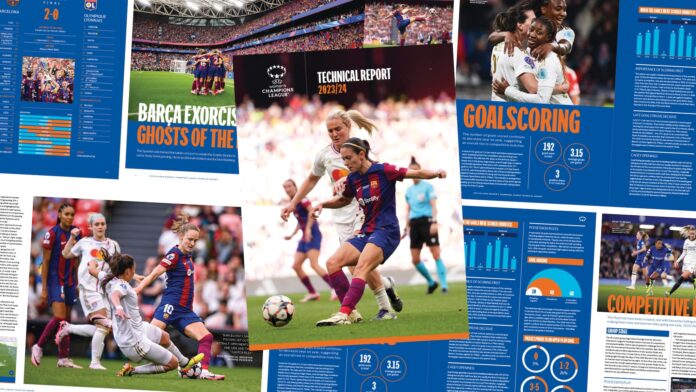
According to UEFA’s 2024 women’s football report, club competitions have continued to experience growth in attendance, commercial activity and audience interest. The report highlighted increasing participation from broadcasters, sponsors and supporters across European competitions. This wider access has helped create stronger connections between fans and teams. Supporters can track performances throughout a season rather than only following major tournaments. Match previews, tactical analysis and player statistics have become regular parts of football coverage.
Betting markets have developed alongside this increased attention because they rely on the same information that drives football discussions. Team form, injuries and previous results all influence how matches are analyzed. This has created another way for some adult supporters to engage with fixtures while maintaining the importance of responsible participation.
Greater Visibility for Players and Teams
The increased attention surrounding women’s football has also helped players and teams gain wider recognition. Athletes who once received limited international exposure now attract global audiences through league competitions and major tournaments.
According to FIFA’s 2023 Women’s Football Benchmarking Report, professional women’s football continues to experience growth in areas including commercial partnerships, professional structures and audience engagement. The report noted that clubs and leagues are continuing to invest in improving the standards around the women’s game. Greater visibility benefits teams by helping them attract supporters, sponsors and media attention. It also gives players more opportunities to build their profiles and inspire future generations of football fans.
Sports betting has become one part of this broader development. Match odds and statistics can increase discussion around fixtures, but the main focus remains the performances, rivalries and stories that make football popular.
A New Chapter for Women’s Football

Women’s football continues to expand through stronger competitions, growing audiences and increased media coverage. Sports betting has become connected to this progress by reflecting the rising interest surrounding matches and providing another form of engagement for adult supporters.
The future of the sport will depend on continued investment in leagues, improved access for fans and recognition of the players who drive the game forward. As more people follow women’s football around the world, the focus will remain on the quality of competition and the growing impact of the sport itself.