
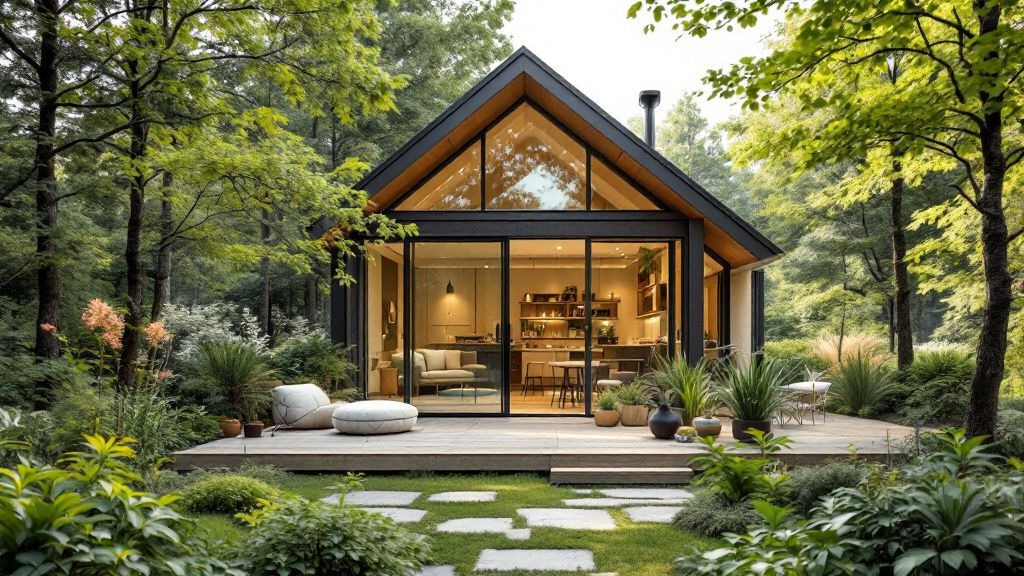
Did you know that tiny houses have been defined loosely but are often structures with less than 400 square feet of living space? That’s according to architectural standards and social movement research showing this trend continues to grow worldwide.
The appeal is obvious — they promise simplicity, affordability, and a lighter environmental footprint. But there’s another side that doesn’t get talked about as much: design choices that make everyday life harder than it needs to be.
Let’s walk through the most common pitfalls people encounter when designing tiny living spaces. These aren’t just aesthetic preferences; they are design decisions that can lead to daily stress, inconvenience, and even safety concerns if overlooked.
Ill-Considered Layouts That Feel Cluttered and Cramped
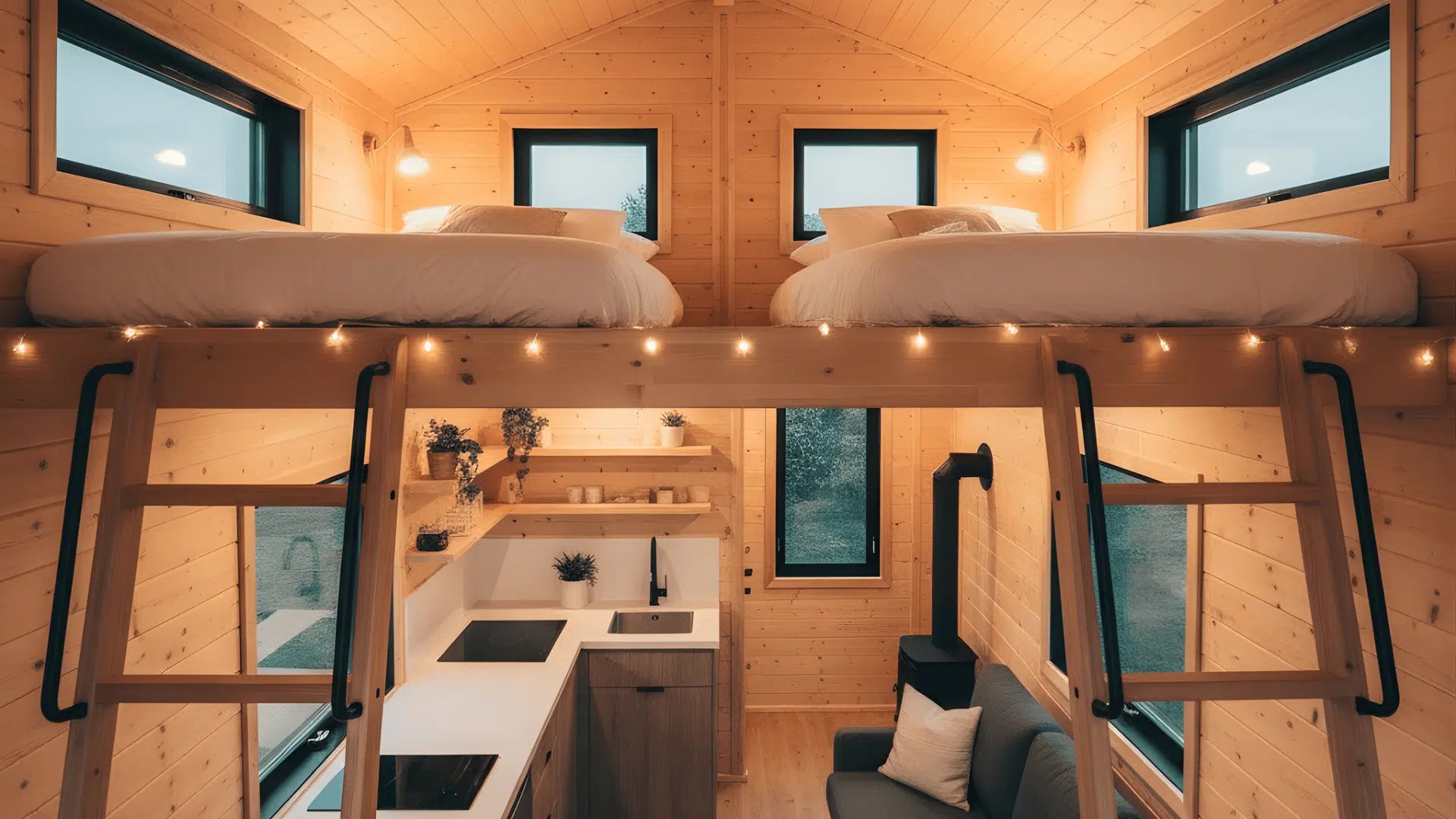
When space is at a premium, how you arrange it matters more than almost anything else in your design. A poorly thought-out layout can leave you feeling boxed in and disoriented rather than cozy and efficient.
Imagine walking through a home where every step feels like a puzzle. If walkways don’t allow for natural movement, or key zones like the kitchen, bathroom, and sleeping area are placed without regard to how you actually live, you’ll find yourself constantly rearranging or, worse, bumping into things.
Common layout issues to watch out for:
- Beds placed where you must climb over furniture to reach them
- Kitchens that interrupt the flow instead of being central to activity
- Bathrooms that open into living areas with no privacy buffer
- Entryways where shoes and coats spill right into the living space
Even small misplacements have an outsized impact in tiny homes – they can make a tiny space feel unnavigable. Spending time with a space planning tool or consulting with someone seasoned in compact living design can help avert these frustrations before construction begins.
Storage Shortfalls You Won’t Notice Until It’s Too Late
Storage is the silent backbone of comfortable living. In a tiny home, every inch counts, and if storage is treated as an afterthought, clutter quickly becomes the enemy.
For many, the dream of minimalist tiny living bumps head-on with reality: all those everyday items still need a home.
Without thoughtful solutions, this leads to stuff exploding across surfaces, under beds, and in awkward corners.
Here’s a quick snapshot (and a table) of storage pitfalls versus smart alternatives:
| Storage Problem | Why It Hurts Daily Life | Better Solution |
| No dedicated pantry | Food spreads into every drawer | Built-in pantry with adjustable shelves |
| Under-bed space unused | Wasted square footage | Pull-out drawers or lift-up storage |
| Overhead cabinets too high | Hard to reach | Step-friendly shelves or dual-height cabinets |
| No outdoor storage | Seasonal gear clutter | Weather-proof exterior bins |
Explanation: Without proper planning, storage gaps force ad-hoc fixes that overwhelm your space. Smart design makes storage part of the architecture, not an afterthought.
Keeping belongings orderly allows you to make the most of every square foot and avoids the frustration many tiny home dwellers report when their homes feel smaller than they are.
Compromised Comfort for the Sake of Minimalism
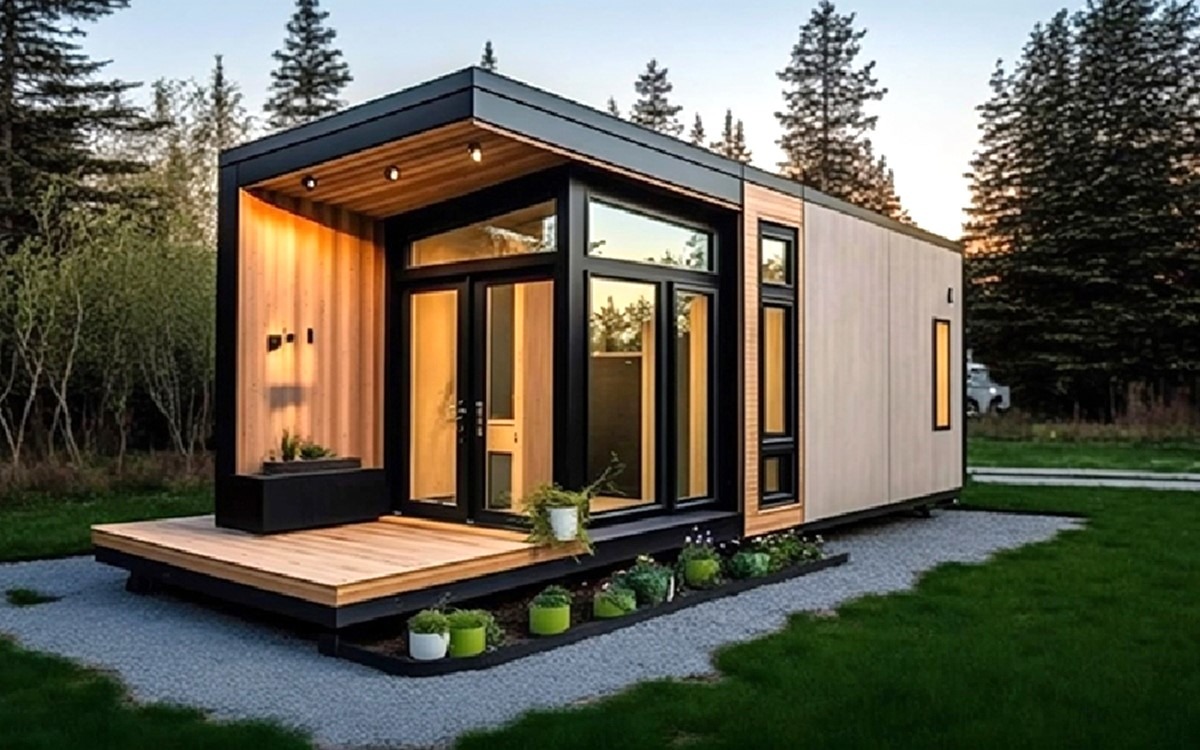
Here’s a fact that might surprise you: minimalism is not the same as discomfort.
The philosophy behind tiny houses is about intentional living and less excess, not about squeezing into a space that leaves you physically uncomfortable.
Yet many tiny house designs put goals first and people second.
Low ceilings, loft sleeping spaces with awkward access, and seating areas that feel like they were shoehorned in can make daily routines unpleasant.
Did you know? Low clearance areas don’t just feel cramped, they can limit who can comfortably use the space.
People taller than average may find certain zones virtually unusable, turning everyday tasks like making the bed into a crouching exercise.
The trick? Balance minimalism with usability. You can embrace simplicity without sacrificing comfort by:
- Prioritizing headroom in primary living areas
- Using flexible furniture that adjusts to activities
- Allowing visual breathing room through thoughtful lighting
This is where tiny homes shine when done right. A well-designed tiny home blends functionality with comfort so you don’t feel like you’re always contorting to exist in your own house.
Overlooking Climate and Seasonality in Design
One of the subtler design mistakes in tiny houses is not planning for the seasons. Tiny structures often have large windows to invite light and make spaces feel bigger, but without careful planning, this can turn into a heating or cooling nightmare.
In summer, oversized windows without shading can create a greenhouse effect, making the interior unbearably hot.
In winter, insufficient insulation or thermal breaks around windows and doors can let precious warmth escape.
Practical seasonal design missteps:
- Large south-facing windows with no shade
- Inadequate insulation for colder climates
- Lack of ventilation that leads to moisture buildup
- Floors or walls that feel cold to the touch
A tiny home’s reduced volume makes it respond faster to temperature change than a conventional house.
That can be great when it’s mild out, but brutal when it’s very hot or very cold.
Thoughtful design, such as strategic shading, properly rated insulation, and natural ventilation paths – makes everyday living far more comfortable.
Ignoring Practical Daily Tasks in the Design
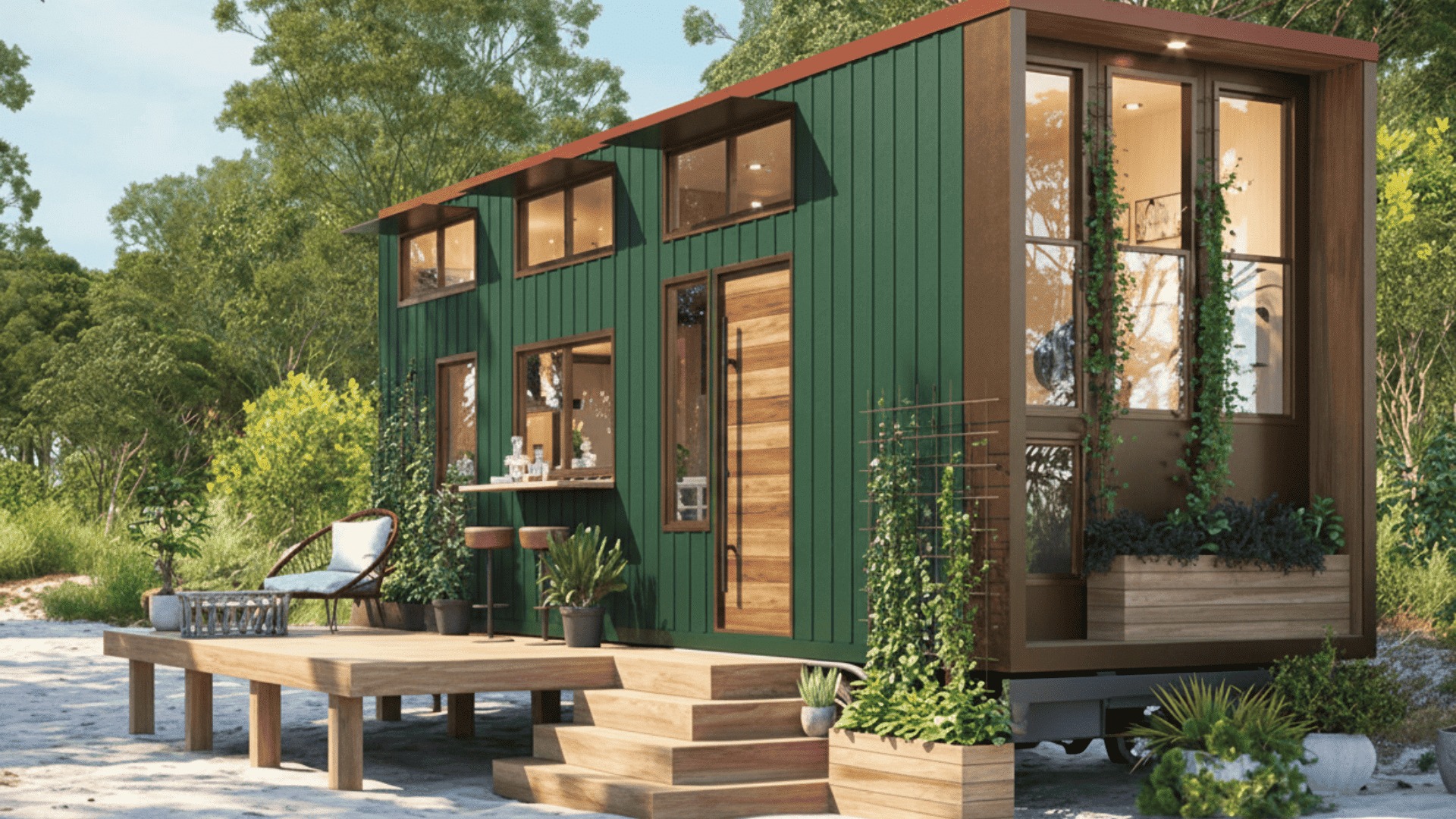
Everybody knows tiny homes are about radical space efficiency. But somewhere along the way, some designs forget the mundane realities of everyday life: laundry, cooking, cleaning, and hosting guests.
A washer-dry combo tucked into a closet sounds cute on paper, but what about where laundry dries?
A kitchen optimized for space might leave you with barely enough counter for meal prep. Many tiny homes opt for chic floating shelves but end up with nowhere to stash cleaning supplies.
Even tasks like charging devices, placing trash and recycling, and storing pantry items require intentional planning.
Overlooking these everyday needs forces you to constantly adapt your routines or sacrifice convenience.
Practical features worth prioritizing:
- Multi-purpose work surfaces
- Hidden but accessible utility closets
- Dedicated laundry or drying solutions
- Hidden trash bins and recycling centers
In daily life, it’s the mundane routines that will define how a space feels — and if your design makes even simple tasks frustrating, the novelty wears off fast.
Realistic Traffic Flow and Privacy Challenges
Tiny homes invite people to come closer — literally. But that closeness isn’t always welcome if it compromises privacy or creates awkward paths through your space.
Inadequate design can result in:
- Door swings that block traffic
- Bedrooms only accessible by climbing through another room
- Bathrooms opening directly into social zones
- No buffer between private and shared spaces
Traffic flow and privacy matter because they affect how you feel in your space. Daily life isn’t just about moving from one point to another; it’s about comfort, dignity, and having mental breathing room, even in a small footprint.
Thoughtful partitioning, sliding doors, and designated quiet zones help maintain both efficiency and comfort in the long term.
Conclusion
Tiny house living has become more than just a trend — it’s a lifestyle choice that promises simplicity, connection to your things, and potential financial freedom.
But that dream can quickly become an everyday struggle if design choices are made hastily or without attention to practicality.
From layouts that interrupt your natural movements, to storage oversights, comfort compromises, and ignoring everyday tasks, these pitfalls can turn even the smartest tiny home into a source of daily irritation.
Designing a tiny home well means thinking beyond aesthetics and trends, and deeply considering how you will live there day in and day out.
With thoughtful planning, compromise, and intentional choices, you can enjoy the best of compact living without the avoidable headaches.
Frequently Asked Questions
What size is generally considered a tiny house?
Architecturally, tiny houses are typically structures under about 400 square feet, though definitions vary and some include slightly larger footprints in the concept.
Can tiny homes be used year-round in cold climates?
Yes, but only if insulated and designed for that climate. Poor insulation and lack of thermal planning can make winter living uncomfortable.
Are tiny homes legal everywhere?
Not always. Zoning, building codes, and whether the home is on wheels or a foundation can affect legality. Local regulations should always be checked before building or placing a tiny home.
How much storage is realistic in a tiny house?
With intentional design, hidden storage and multi-purpose spaces can make limited storage highly functional, but it requires planning matched to your lifestyle.
Do tiny houses lose value more quickly than traditional homes?
They can, especially those on wheels or without permanent foundations, due to resale market uncertainties and classification issues with lenders.
If you’d like deeper guidance on layout planning or storage solutions for tiny living, just ask — I’d love to help you refine your design!